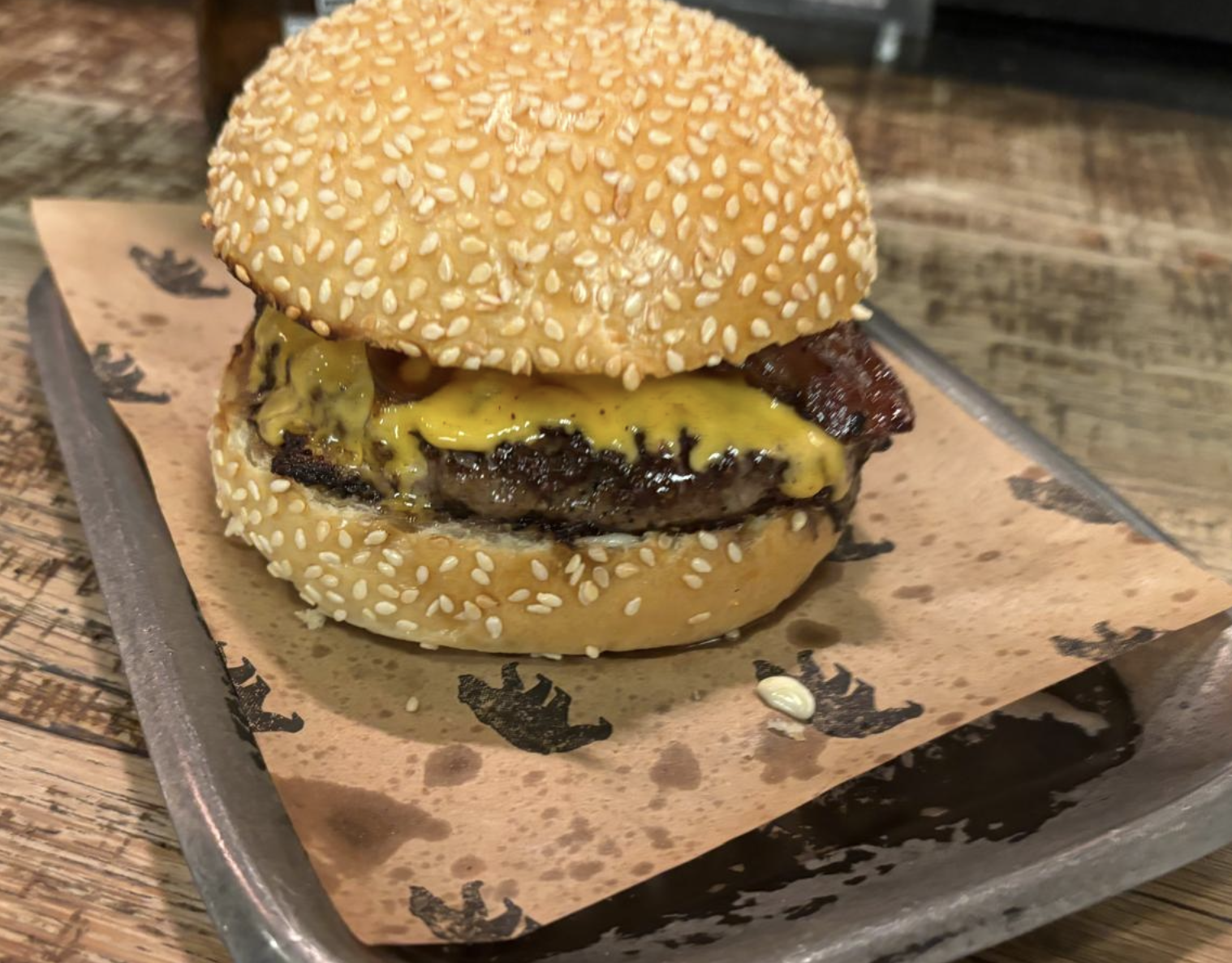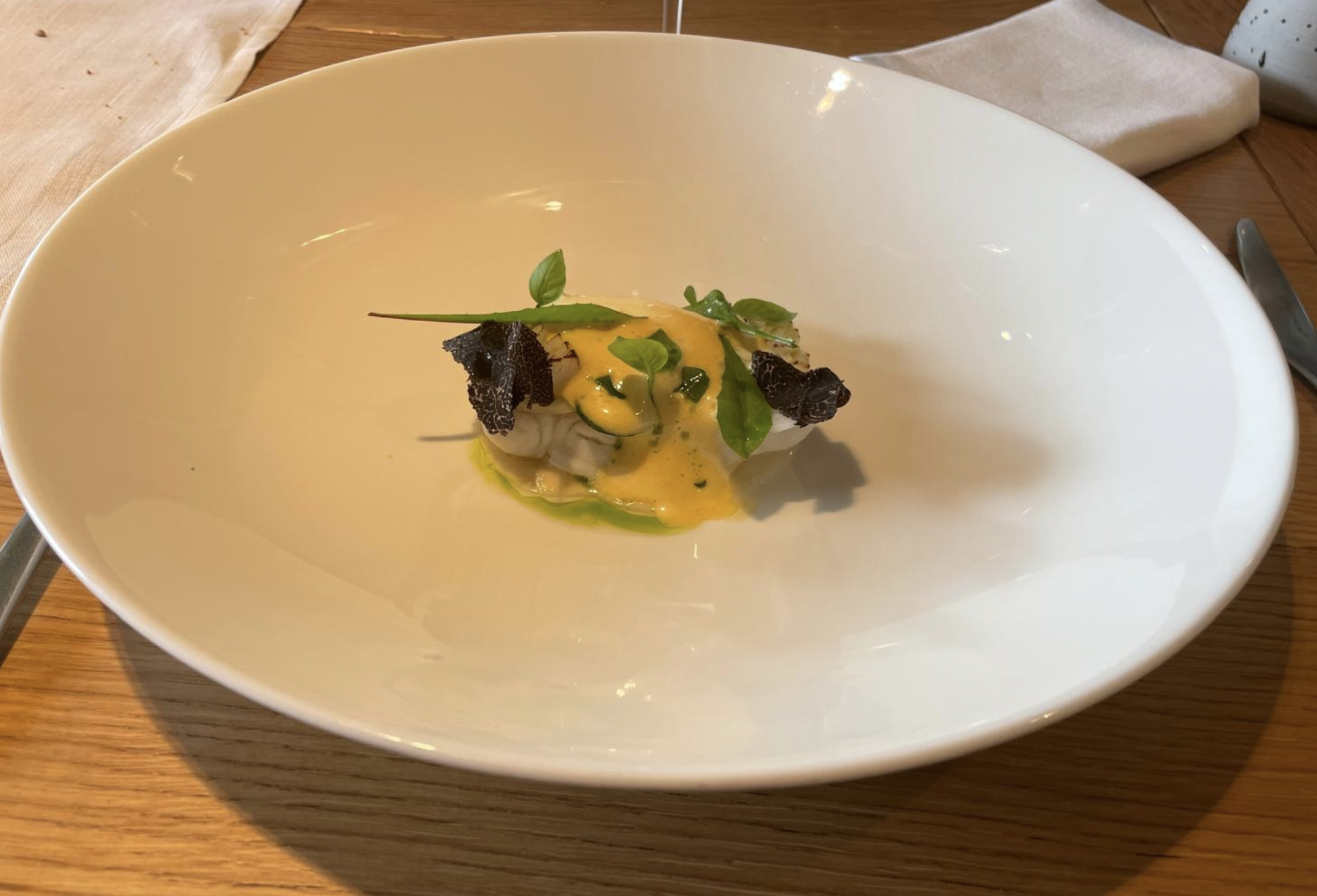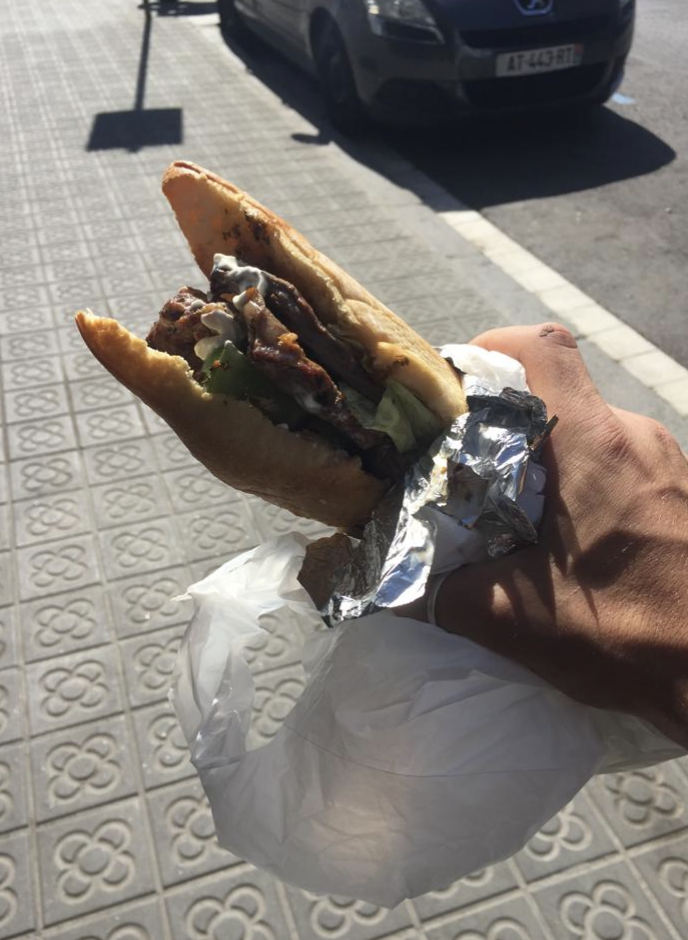

Before We Eat, We Pause.
There’s a moment that happens almost automatically now. The food arrives, and before anyone picks up a fork, there’s a pause. Someone adjusts their seat for better light. A hand hovers. Maybe a quick, “wait don’t touch it yet.” The plate isn’t just dinner - it’s potential content.
I do it too.
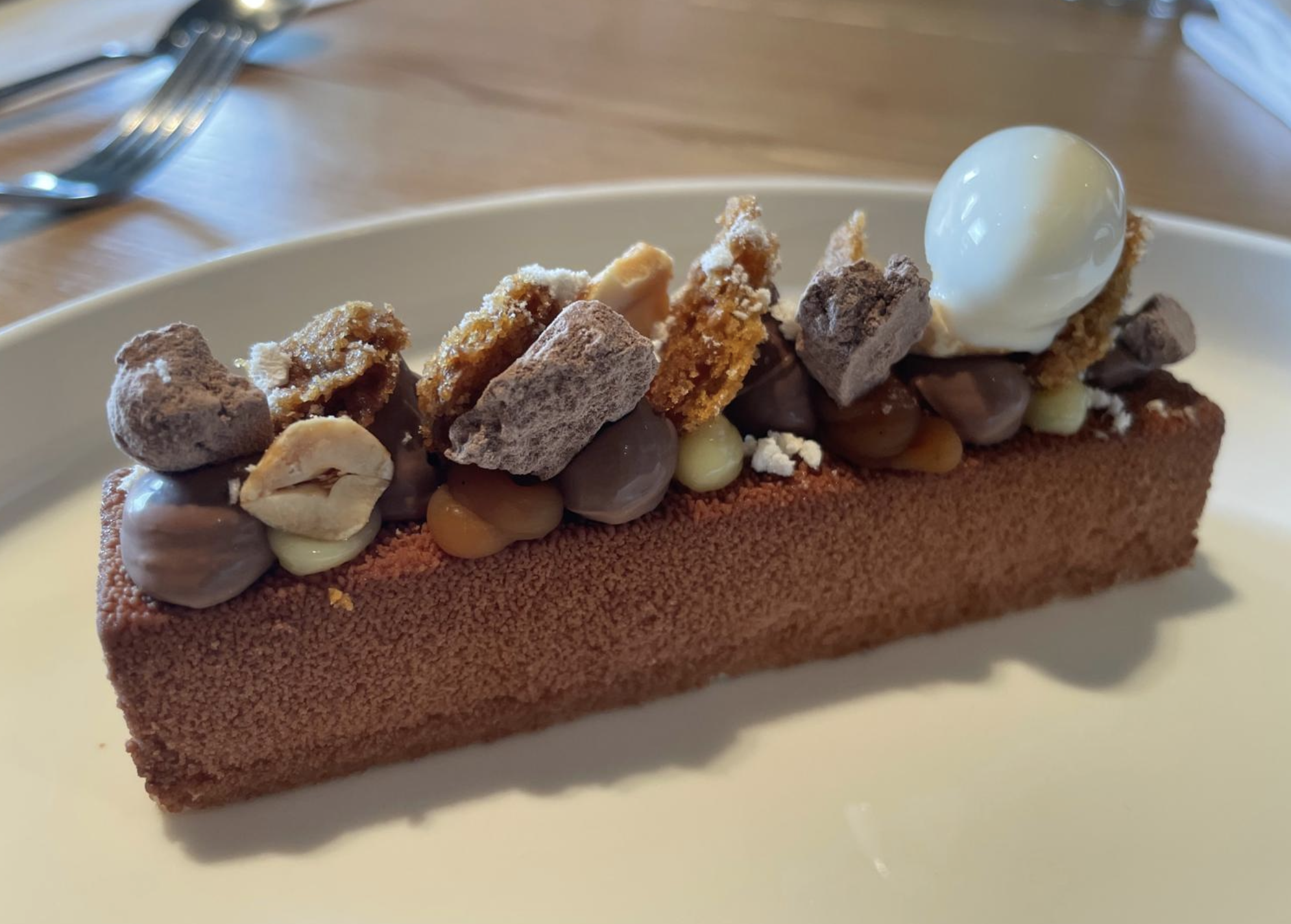
Which makes it harder to pretend I’m standing outside of this, observing from a distance. I’m part of the same loop: see, frame, post, share. Especially when the food feels meaningful - when it carries a story, a place, a person behind it. I tell myself I’m documenting something cultural, something worth preserving. And sometimes that’s true. But it doesn’t change the fact that, more often than not, the first way I “consume” a dish is through a screen.
Social media didn’t invent beautiful food, but it definitely changed what beauty means. Dishes today are designed with the camera in mind: colours that pop under artificial light, sauces placed with quiet precision, textures that hold their shape just long enough for a photo. There’s a kind of silent agreement between diner and restaurant - this should look good enough to share.
And I don’t think that’s a bad thing. There’s real artistry in it - care, intention, a kind of visual storytelling. A plate can say something before you even taste it. In many cuisines, it always has. Sometimes the beauty is part of the experience, not a distraction from it. It can draw you in, sharpen your attention, make you notice details you might otherwise miss. The difference now is scale and speed. What used to be an intimate, in-person experience is now flattened into a scrollable feed, competing for attention in fractions of a second.
So the question isn’t whether food should be aesthetic, it always has been. The question is: aesthetic for whom? Because designing a dish for the eye of the diner is different from designing it for the eye of an audience. A dish that needs to hold for a photo might sacrifice temperature. Something plated for visual symmetry might lose the messiness that makes it taste right. The crunch softens, the sauce thickens, the moment passes - all while we’re still trying to capture it.
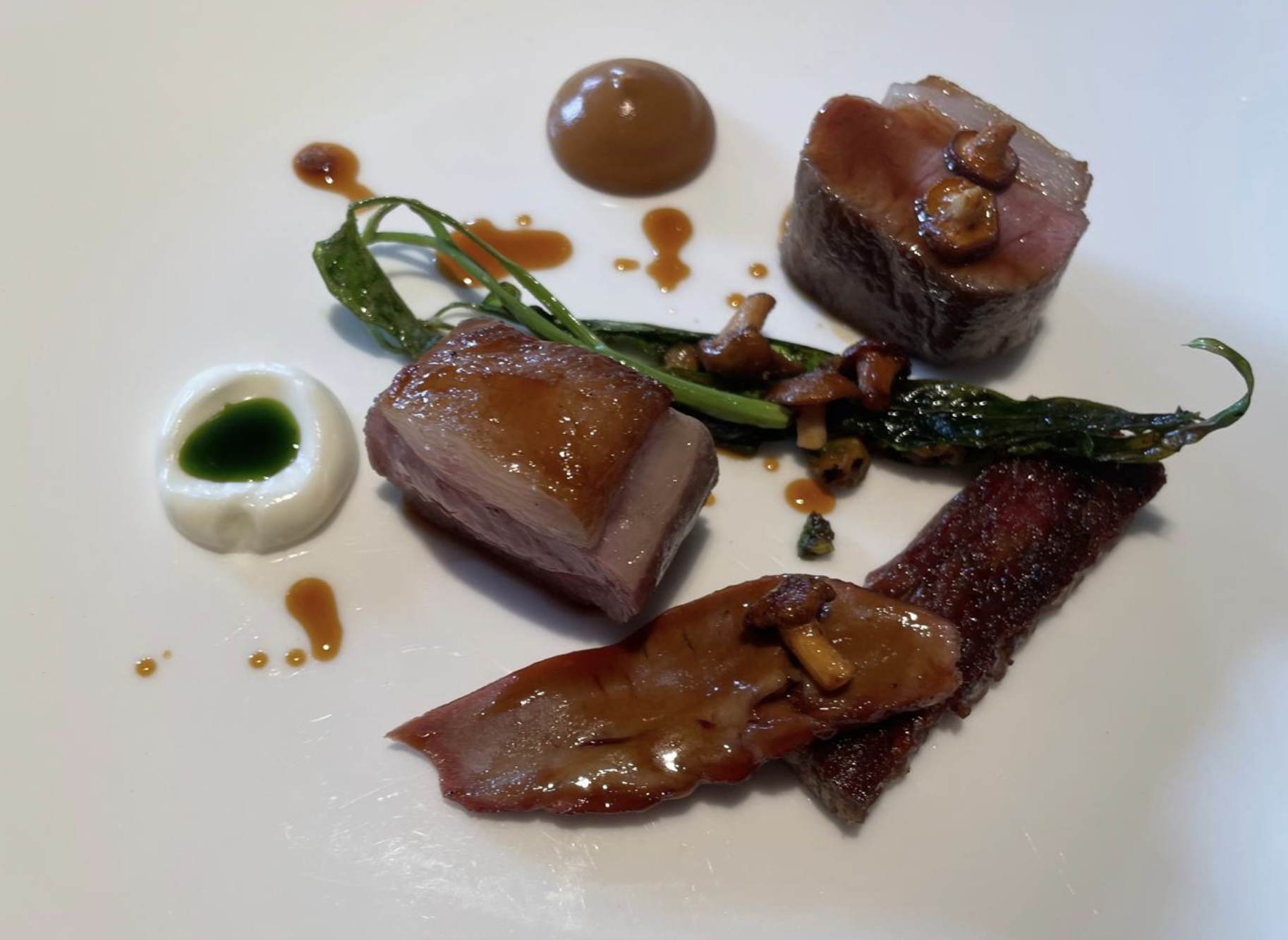
Not all beautiful food is compromised, obviously. Some of the best meals I’ve had have been both visually striking and deeply satisfying. But there’s a subtle shift in priorities that’s hard to ignore. When the image becomes the goal, the experience can start to orbit around it.
And yet, at the same time, there’s a noticeable pull in the opposite direction. People are craving food that feels less staged - more culturally honest. For meals that aren’t designed for the camera, where the best moments and flavours are experienced in real time, away from the screen.
I think that’s why I’m drawn to documenting culturally rooted food in the way that I do. Not just the plate itself, but the context around it, the hands that made it, the story and setting, the small details that don’t always translate neatly into an image. It’s an attempt, however imperfect, to push against the idea that food is just visual currency.
Maybe the point isn’t to reject beauty, but to notice when it becomes the main event. And maybe the most memorable meals are the ones where beauty is part of the experience, but not the reason you’re there. The ones you almost forget to photograph - the ones you taste exactly when they’re meant to be tasted.
Personally, I’d choose a greasy burger over an espuma any day.