
“Belle calas! Tout chaud!”
What does a little rice fritter have to do with freedom?
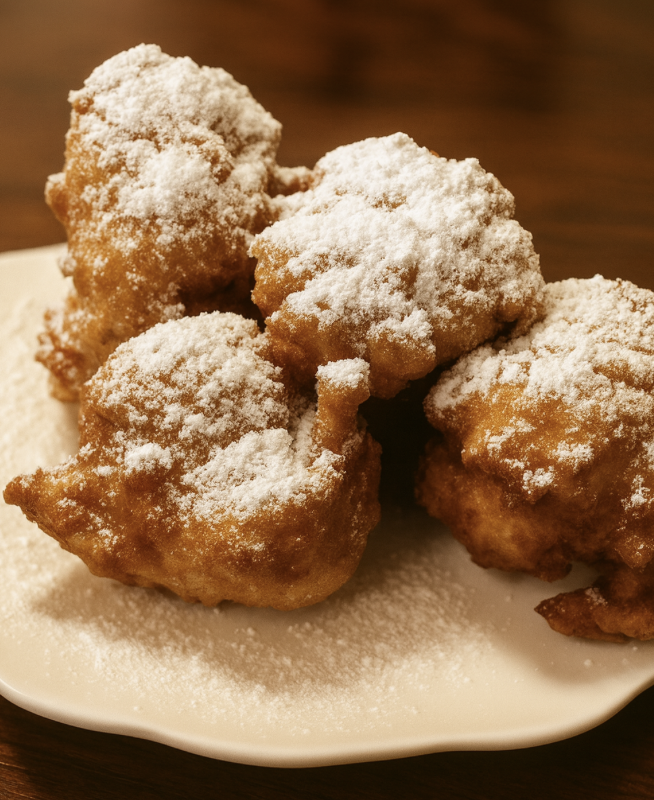
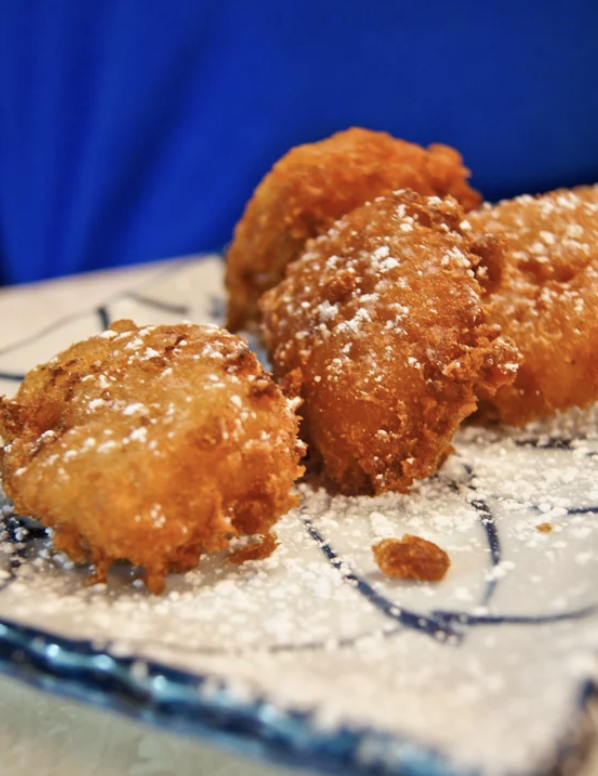
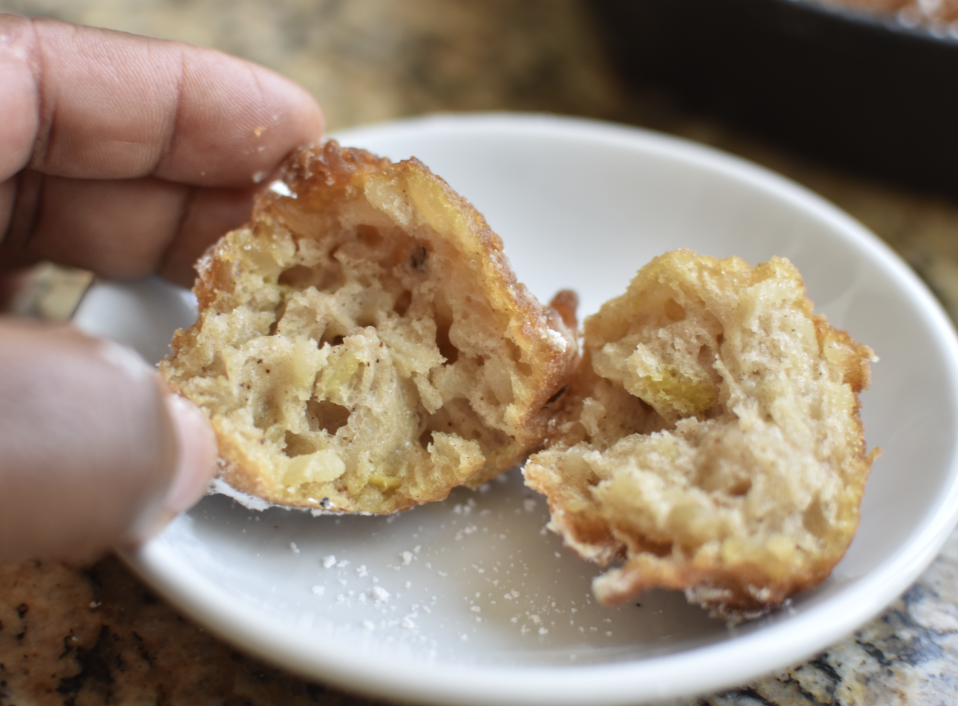
Long before beignets became synonymous with New Orleans, sweet rice fritters known as calas were the city's premier street food. Golden, crisp on the outside, and pillowy soft within, these deep-fried delicacies represent a vital link to West African culinary traditions and the resilient history of Black women in early Louisiana.
They were food, but they could also be something more. A small taste of independence. For some enslaved women, the money earned from selling calas could be saved towards purchasing their own freedom and the freedom of their family members. It was an extraordinary act of independence within a system designed to deny it. A few fritters, sold one by one, could become something much larger: money, mobility and the possibility of a different life.
The cry of “Belle calas! Tout chaud!” - beautiful calas, piping hot - would have carried through the streets, turning a humble food into a means of survival and, sometimes, a path towards freedom. As laws and regulations changed, Black women were increasingly pushed out of the street-vending trade. The calas vendors disappeared, and with them went a food that had once been woven into the daily life of the city. For a while, calas nearly disappeared too. But food has a stubborn way of remembering.
Today, cooks and chefs in New Orleans are bringing calas back, reintroducing them to diners who may know the city for beignets but have never tasted the fritter that came before them.
And perhaps that is the most interesting thing about a dish like this. Its history isn't sitting behind glass in a museum. It is something you can still eat, carrying with it the story of the women who made it, sold it and, in doing so, carved out a measure of freedom for themselves and those they loved.