

Crayfish Craze
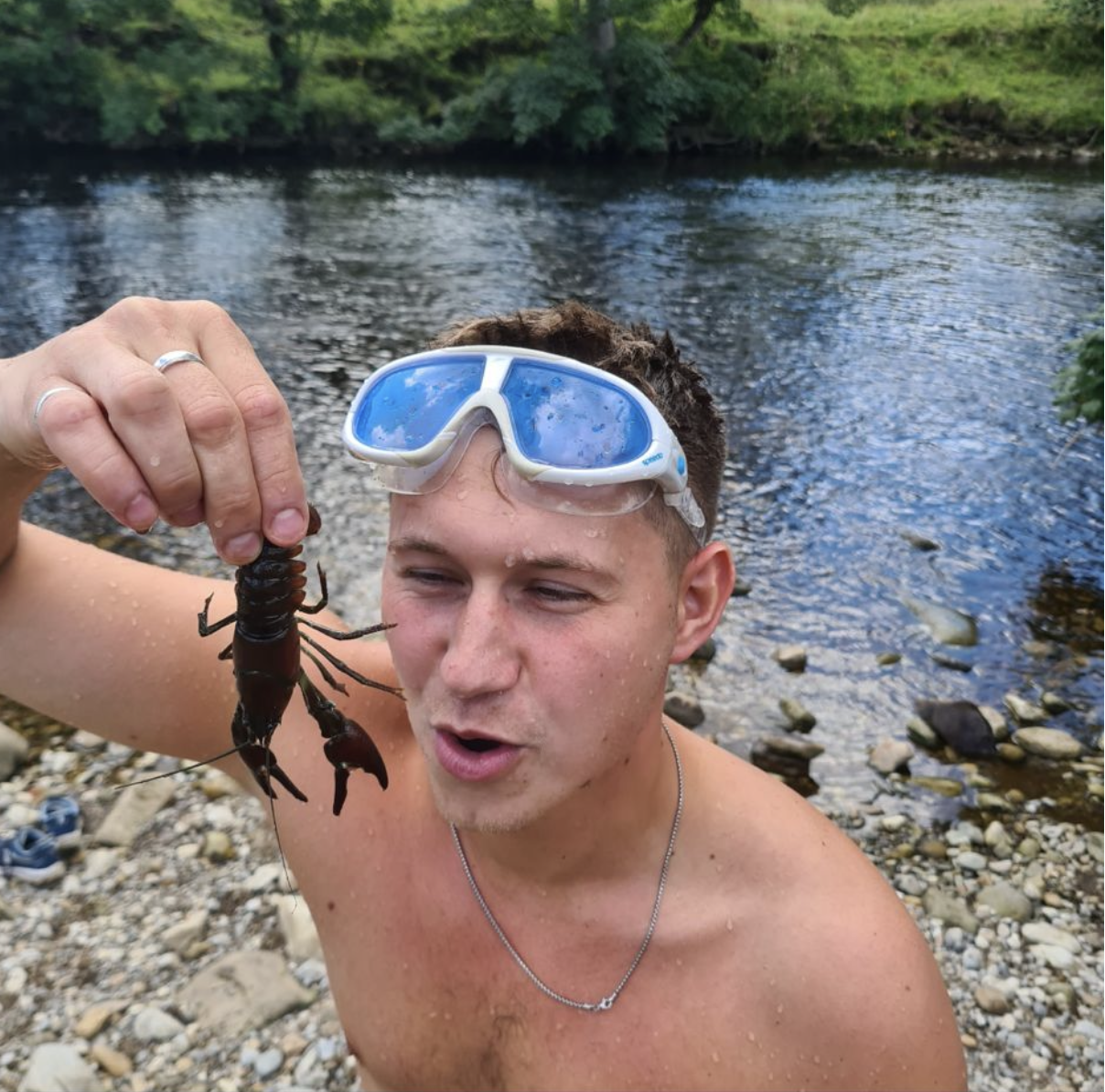
I put him back
Sometime between rock and new wave, Britain developed an unlikely love for crayfish.
In the 1970s, continental cuisine was spreading beyond elite dining into a broader middle-class food culture, bringing a wave of exotic ingredients onto menus. Crayfish, already a hit in France, fit perfectly. Luxurious & miniature fresh water lobsters with the allure of a new delicacy and cheaper all round.
To keep up with the craze, Britain’s suppliers started importing North America’s signal crayfish. Our native white-clawed crayfish were smaller and harder to farm; signals grew faster and bigger. Logical and opportunistic humans making seemingly obvious decisions. But of course, nature had other ideas. These invaders escaped into rivers and have been running the show ever since. They carry a plague harmless to them but deadly to native crayfish. They outcompete the locals for food and burrow into riverbanks, quietly reshaping our waterways.
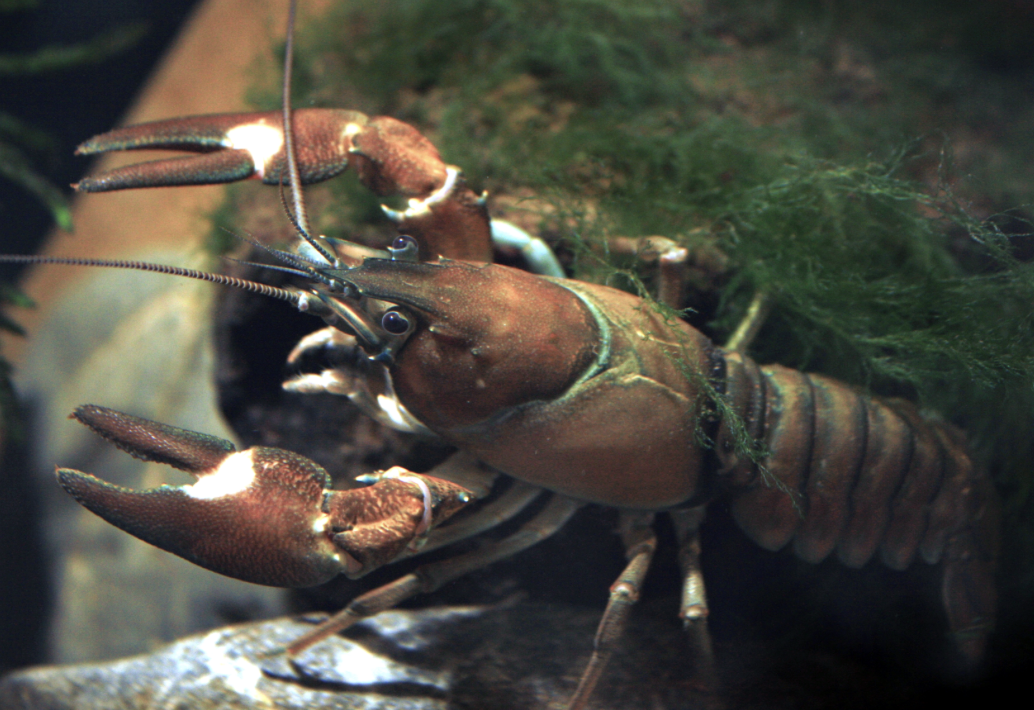
Signal Crayfish
Predictably, the crayfish craze eventually fizzled out. Early government advice was simple: “Catch and eat them.” Fun in theory, but it barely made a dent. Handling them correctly required skill and knowledge and let’s be honest, the average person is dumb. Every clumsy attempt just sent more eggs downstream, helping the invaders colonise even more rivers. The law quickly changed, and only licensed individuals were allowed to catch them or risk a hefty fine.
A few summers ago, beside one of my dad’s favourite rivers in Yorkshire, I found myself thinking about all this. After decades of craze, failed control schemes, and government warnings, I wanted to see the crayfish for myself. The water was beautiful, clean, clear, and just a little chilly. My dad had brought goggles, not for this purpose but I grabbed a pair and floated along the surface, scanning the riverbed. Of course, no one expected me to catch anything, but there they were almost immediately. Once I spotted the first one, instinct took over. I slipped under rocks, reached between stones, and before long had caught four of them with my bare hands.
As impressed with myself as I was, and as tempting as it seemed - I wasn’t going to cook and eat the pesky critters. I quite liked them and knew the stakes. Still, they were unmistakably signal crayfish: bigger than I expected, muscular, and nippy with attitude. Seeing them up close, I finally understood why they had taken over our rivers so completely.
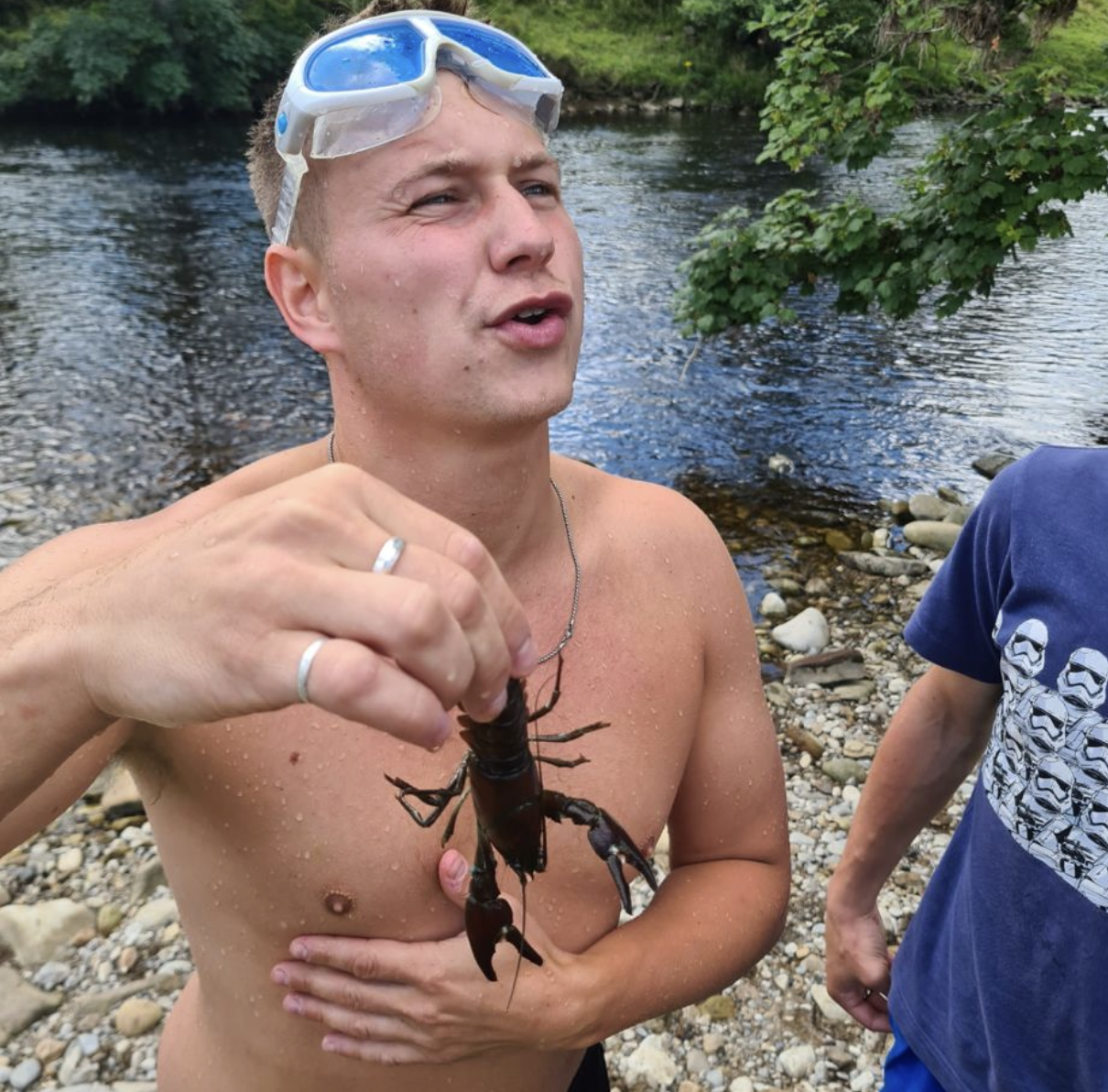
First Catch
Thankfully, some people have found a smarter way to deal with these river invaders. Crayfish Bob, a well-known figure in the UK, has made a career out of trapping and cooking invasive signal crayfish with the right methodology and paperwork. He hosts Louisiana-style crayfish boils and sells sustainably trapped, locally sourced crayfish.
Food trends might seem harmless, tiny affordable lobsters. But as signal crayfish show, they can ripple far beyond the culinary craze. Luckily, a little awareness and some clever problem-solving mean we don’t have to let our rivers stay under new management forever.
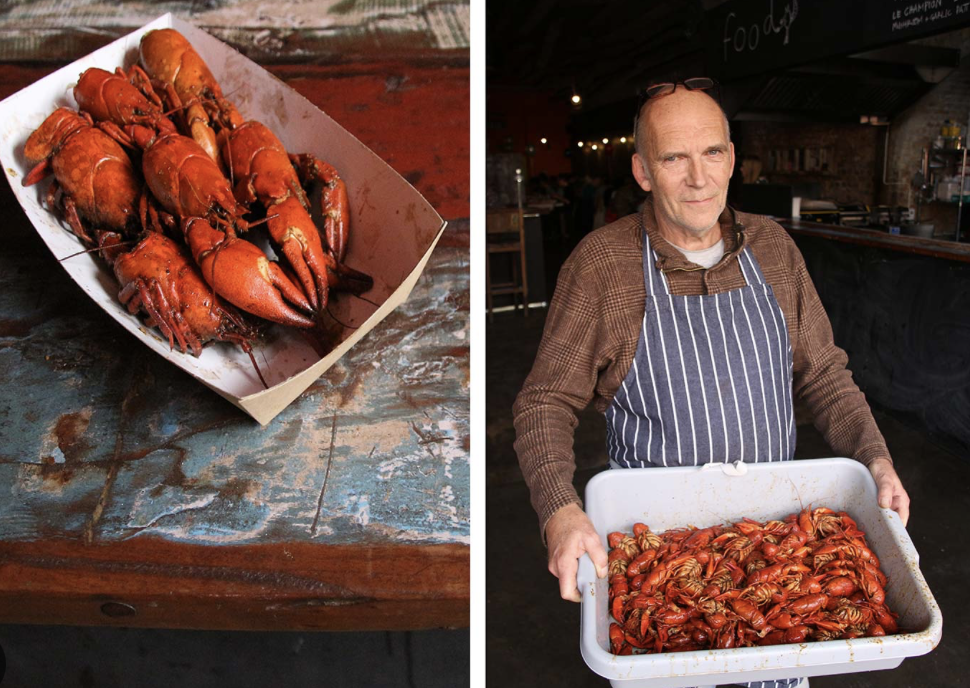
Crayfish Bob