
How “Peasant Food” Becomes A Luxury
Some of the world’s most desirable foods began in places where desirability had very little to do with it. Oxtail, polenta, brisket and countless dishes built around offal, stale bread and inexpensive grains share a history of necessity: people took what was available, affordable or unwanted and found ways to make it delicious.
There is a strange cycle that happens to these foods. Necessity produces ingenuity. Ingenuity creates tradition. Tradition becomes culture. And, eventually, culture acquires value.
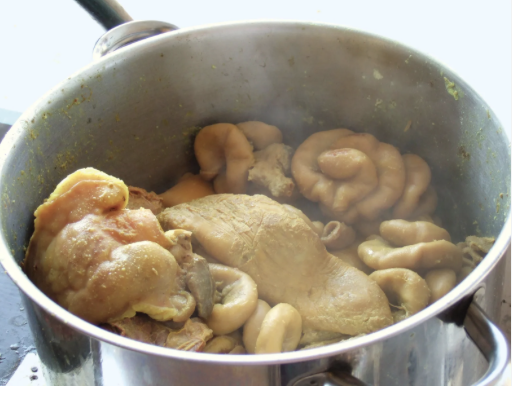
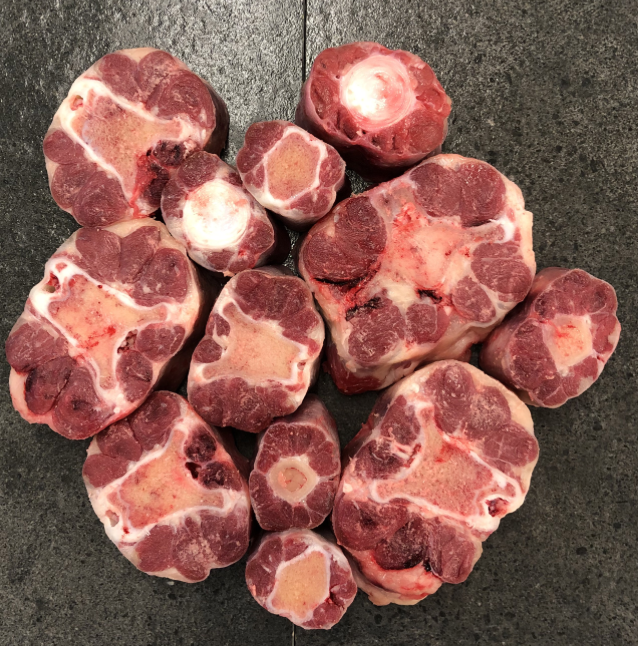
Oxtail is a good example. Full of bone, connective tissue and collagen, it needs time to become tender. Its value was not convenience but transformation: with slow cooking, an economical cut could produce something extraordinarily rich. That knowledge became embedded in different food cultures, from Jamaican oxtail to British oxtail soup and braised preparations elsewhere. Today, oxtail can command surprisingly high prices. Part of the explanation is wonderfully simple: a cow only has one tail. Once demand increases for something inherently limited, the economics change quickly.
Brisket tells a similar story. It comes from a heavily worked part of the animal and requires patience to make tender. That apparent disadvantage helped produce some of the traditions we now celebrate most enthusiastically. Slow-cooked brisket became important in Jewish cooking, while smoking transformed it into one of the defining foods of Texas barbecue. What once made the cut less desirable, its toughness, ultimately inspired the techniques that made it desirable.
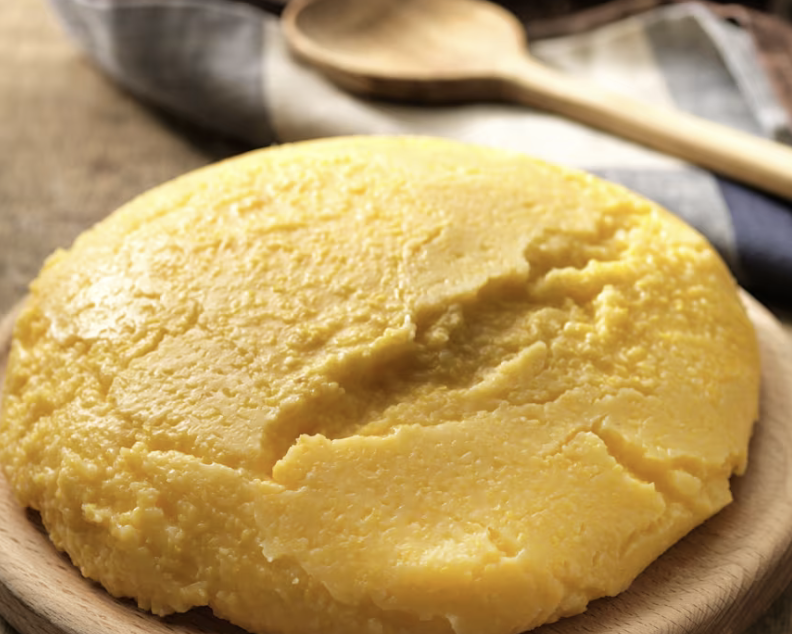
Polenta tells a slightly different story. For centuries, it was a staple of poorer rural communities in northern Italy: cheap, filling and capable of stretching whatever else was available. In some areas, dependence on maize became so extreme that pellagra, a disease caused by severe niacin deficiency, became widespread among the rural poor.
What changed was not the price of cornmeal so much as the value attached to it. As regional Italian cooking became celebrated beyond the communities that created it, polenta was reframed as an expression of tradition, place and authenticity. The same humble staple could now be described as rustic or artisanal, enriched with butter and expensive cheese, and served in restaurants far removed from the circumstances in which it became a staple.
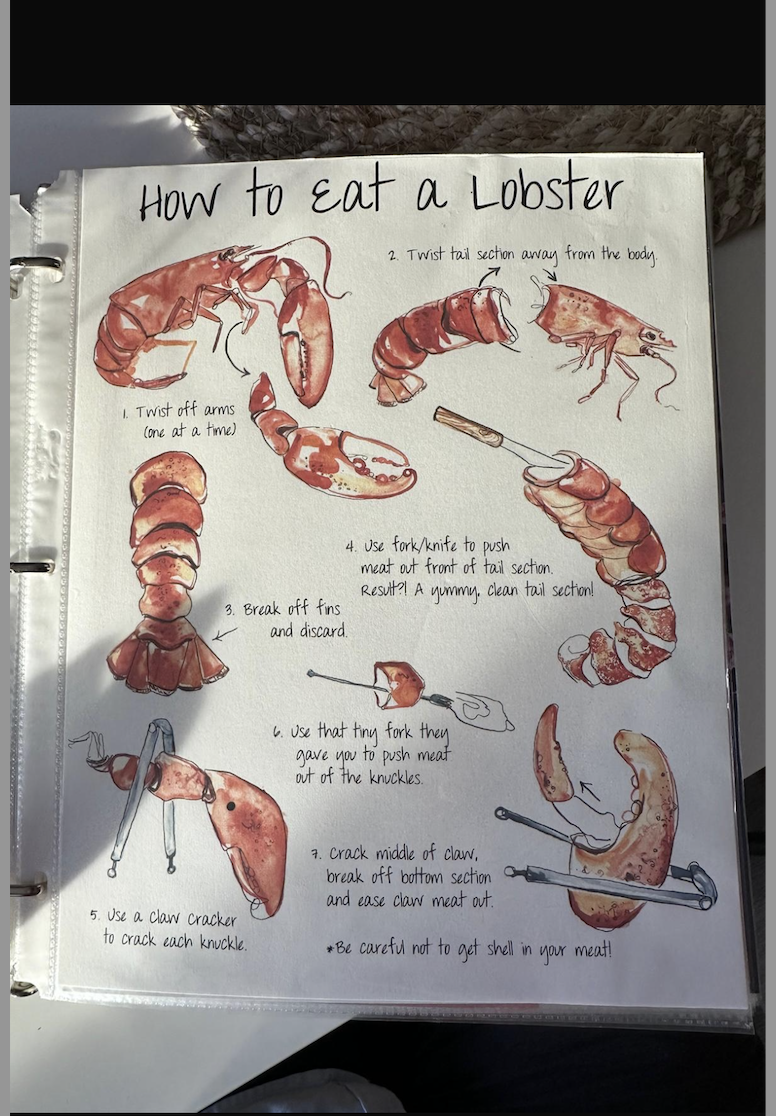
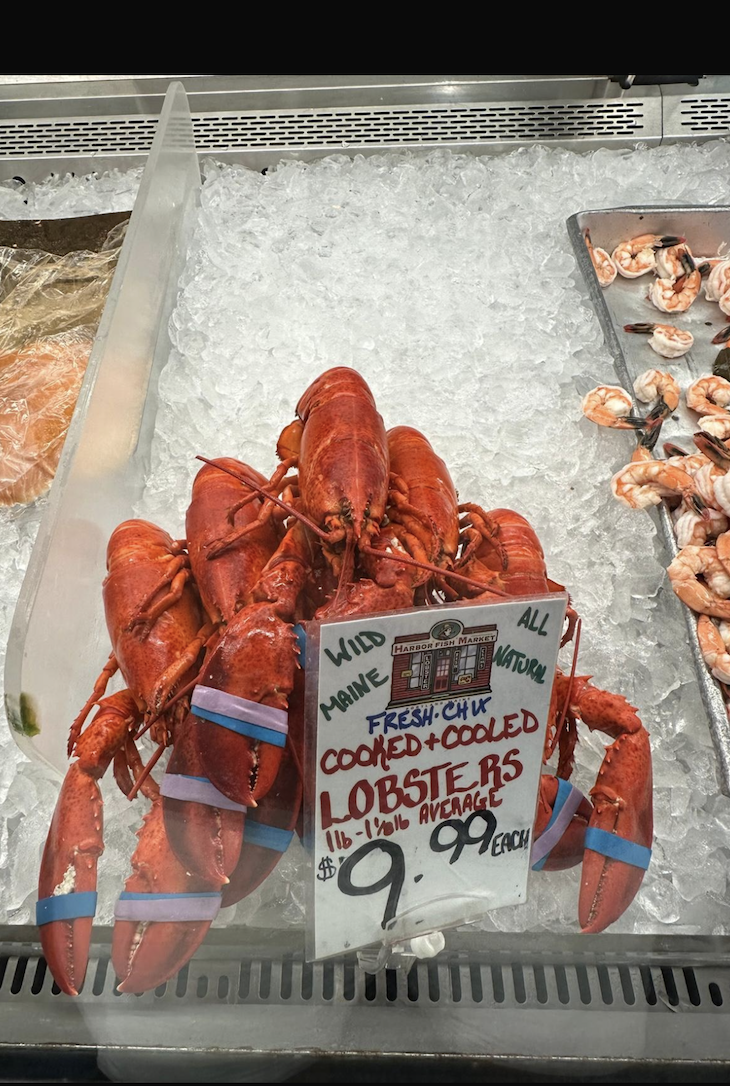
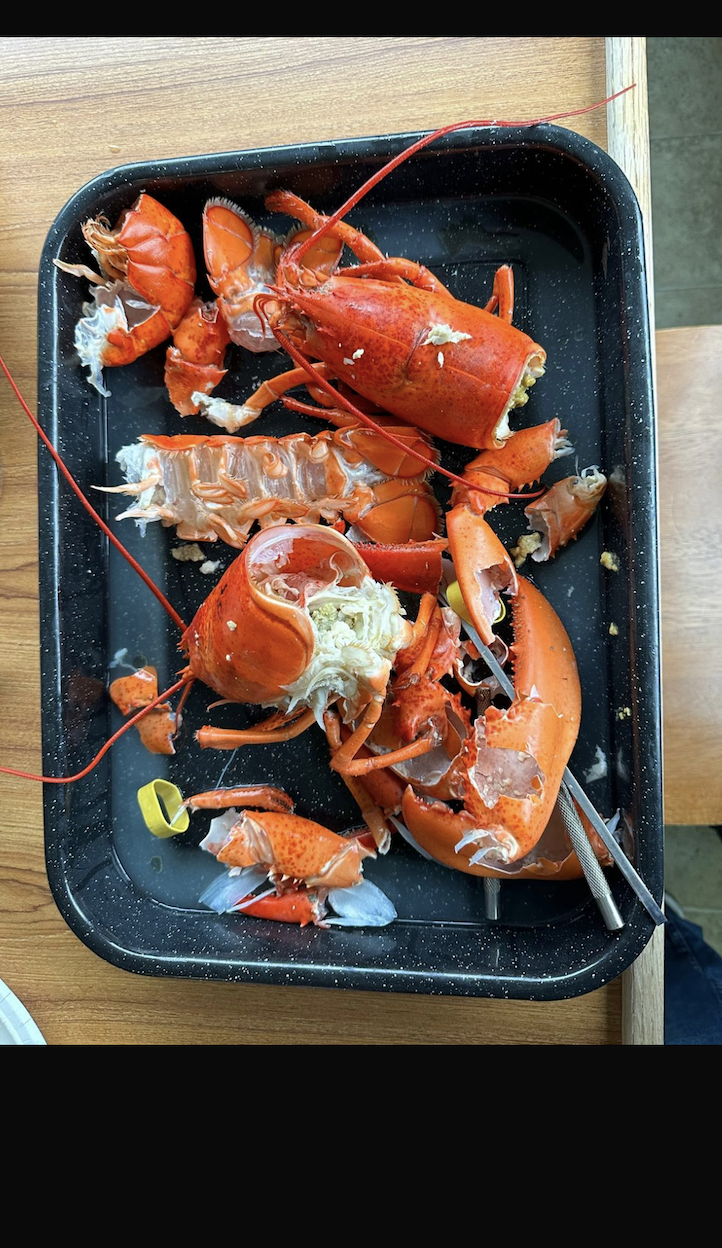
Lobster might be the most famous example, although its history is often reduced to the slightly misleading claim that it was once simply “prison food.” In parts of coastal North America, lobster was extraordinarily abundant and carried nothing like the prestige it has today. It was eaten by poorer people, servants and prisoners, among others. As transportation improved and lobster travelled farther from the places where it was plentiful, its audience and its meaning changed. Something ordinary because of its abundance gradually became special because of its relative scarcity.
That shift in language is revealing. Foods associated with poverty can be dismissed as crude, basic or undesirable when they are seen as foods of necessity. Once those same foods enter fashionable restaurants, the vocabulary changes. They become rustic, traditional, heritage, artisanal or nose-to-tail. Cooking born from the inability to waste anything becomes a philosophy.
There is an uncomfortable irony in that transformation. Communities can spend generations developing the knowledge required to turn inexpensive ingredients into something wonderful, only to watch those ingredients become fashionable and increasingly expensive. The food moves up the social ladder even when the people responsible for its culture do not.
It exposes how little of what we call luxury is inherent in the food itself. There is nothing naturally luxurious about lobster, just as there is nothing naturally humble about polenta. Those meanings are produced by abundance, scarcity, labour, geography, class and fashion.