The Case for Cooking Together
Some traditions don't end because anyone decides they're no longer worth keeping. They simply fade away, replaced by whatever feels easiest at the time.
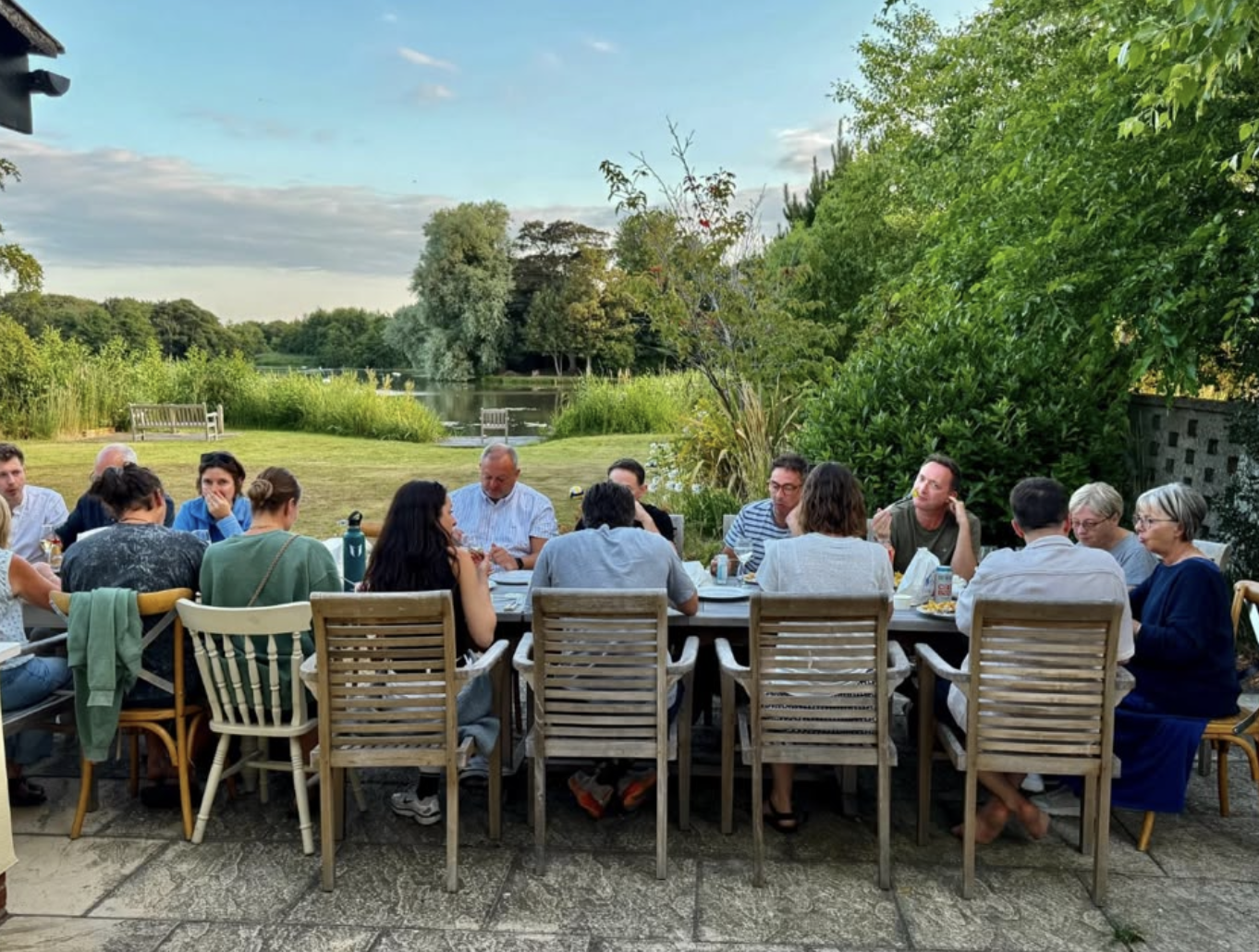
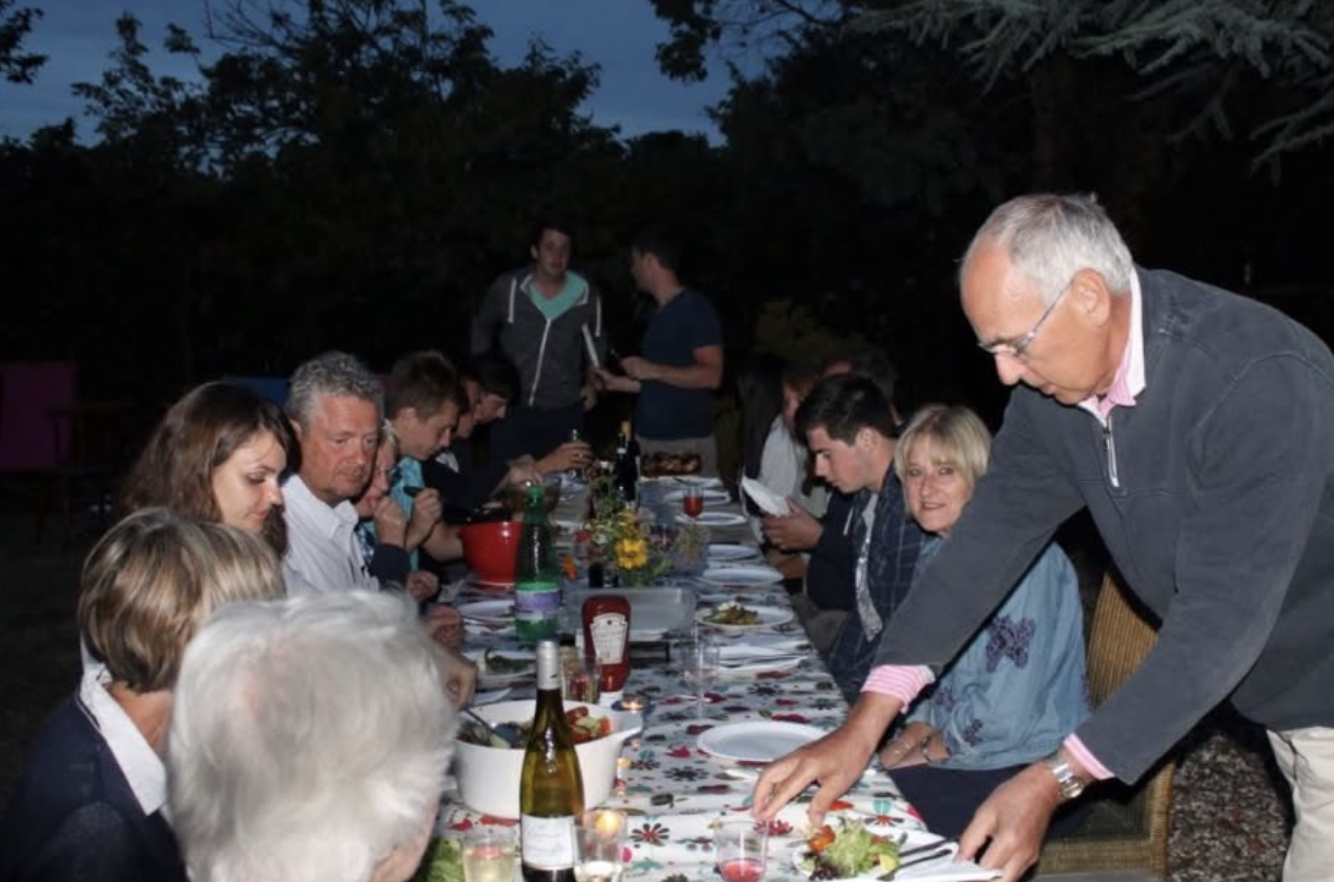
For many years now, my family has spent a week every summer in the wonderfully eccentric village of Thorpeness, Suffolk. Around twenty of us rent a handful of cottages dotted around the village, and for a lot of those years each household took turns cooking dinner for everyone else. The only exception being the opening night, when tradition dictated fish and chips from the next-door town Aldeburgh.

Everyone approached the challenge differently. Some played it safe, others were more ambitious, and before long an unspoken competition emerged over who could produce the best meal and hospitality. There was plenty of good-natured banter, questionable judging and the occasional culinary triumph, but that was never really the point.
The hour or two before dinner was often my favourite part of the evening. There was never any urgency, and rarely anyone glued to their phone. Whichever team was cooking simply got on with it while the rest of us drifted between the garden, the sitting room and the kitchen, getting in the way and chatting endlessly. Someone would wander in to ask what was for dinner, another would quietly top up the cooks' wine glasses, and without fail, someone would try to subtly evaluate whether their dietary preferences had been remembered. Before long, though, those conversations gave way to much more meaningful ones. Nobody was waiting impatiently for dinner to be served, because dinner had already begun.
As the years passed, though, things changed. The family grew. Partners joined us. Children arrived. Coordinating dinner for so many people became harder, and ordering a takeaway became the easier option. Everyone could choose exactly what they wanted, nobody had to spend hours cooking, and there was very little washing up afterwards. It made perfect sense.
But convenience has a habit of quietly becoming tradition.
This year, my dad decided to bring the old ritual back. Without making a fuss about it, he simply suggested we cook for everyone again. The next day we were back in the kitchen together, preparing dinner for the whole family. So too returned the silliness, the fun, and the steady stream of relatives wandering in "just to see how it was going" before inevitably getting in the way.
It made me realise we'd never really lost the cooking, we'd lost a little of what came with it. The laughter, the interruptions, the conversations that only seem to happen when nobody has anywhere else to be. Dinner was simply the excuse for everyone to end up in the same place, but present.
There's nothing wrong with a takeaway. We all enjoy one, and there are times when it's exactly what's needed. But a takeaway arrives in paper bags, is divided up within minutes and, before long, the evening carries on exactly as it did before. It’s static. Cooking together asks a little more of everyone, but it gives something back in return.
Perhaps that's the real case for cooking together. Not because it's cheaper, healthier or somehow more virtuous than ordering in, but because it creates time that is meaningful and that would otherwise slip by unnoticed. In a world that constantly rewards convenience, maybe some traditions are worth making the effort to keep.