
Liquid Gold
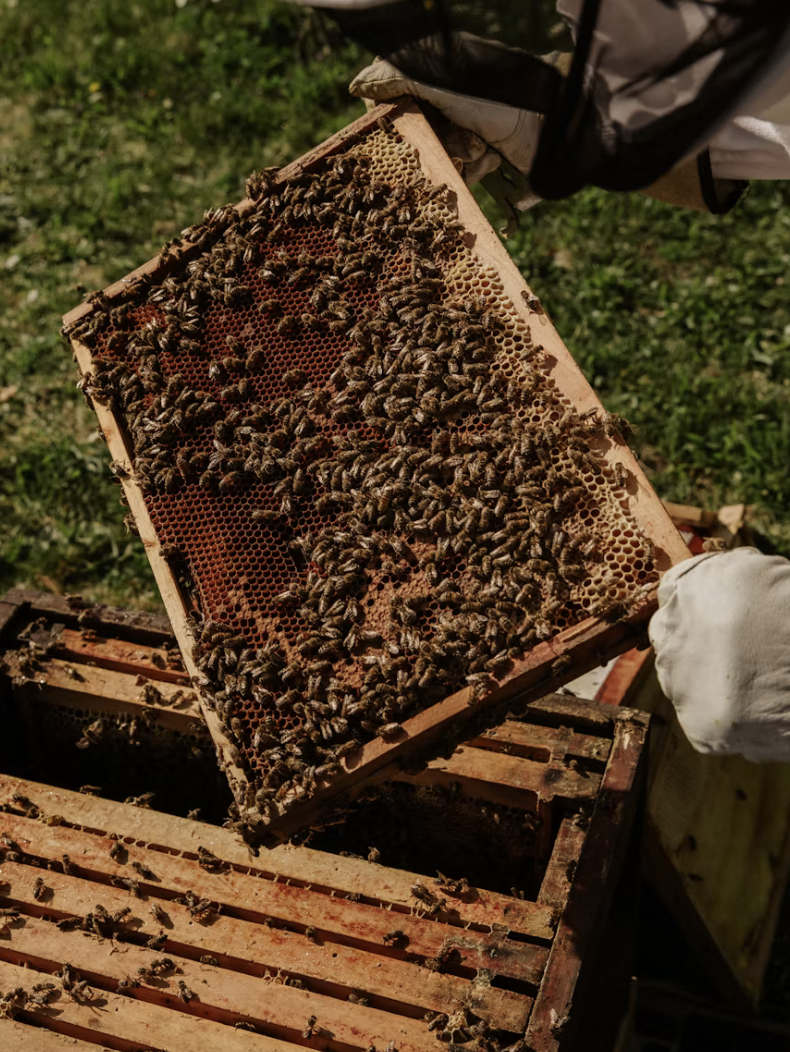
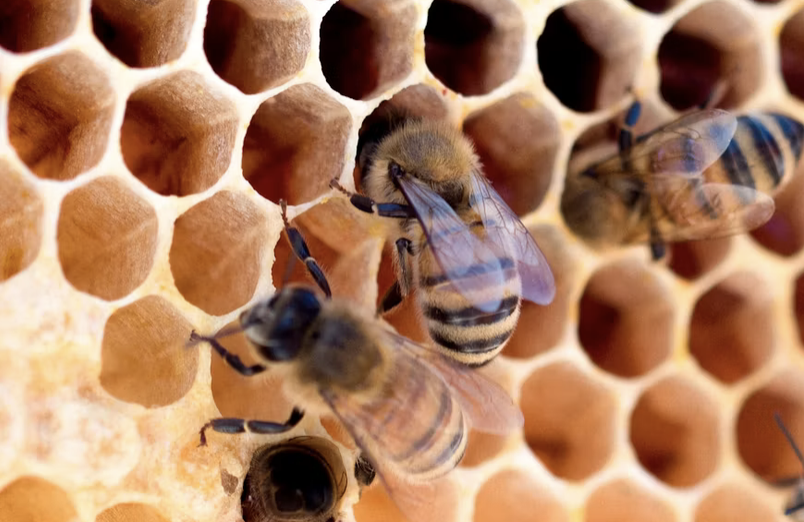
Honey is one of those cherished foods that seems to belong to everyone, bridging generations with its golden warmth. Its story begins with the gentle and adored honeybee, moving quietly from flower to flower, before ending up on our breakfast tables, in our tea, cakes, medicine, or simply on the tip of our spoon.
Yet honey, and what it means to us, is never quite the same from place to place. Each region’s honey carries its own cultural value and story. A landscape's flowers leave their imprint, giving every harvest a flavour shaped by the terrain, the season, and the temperament of the bees themselves.
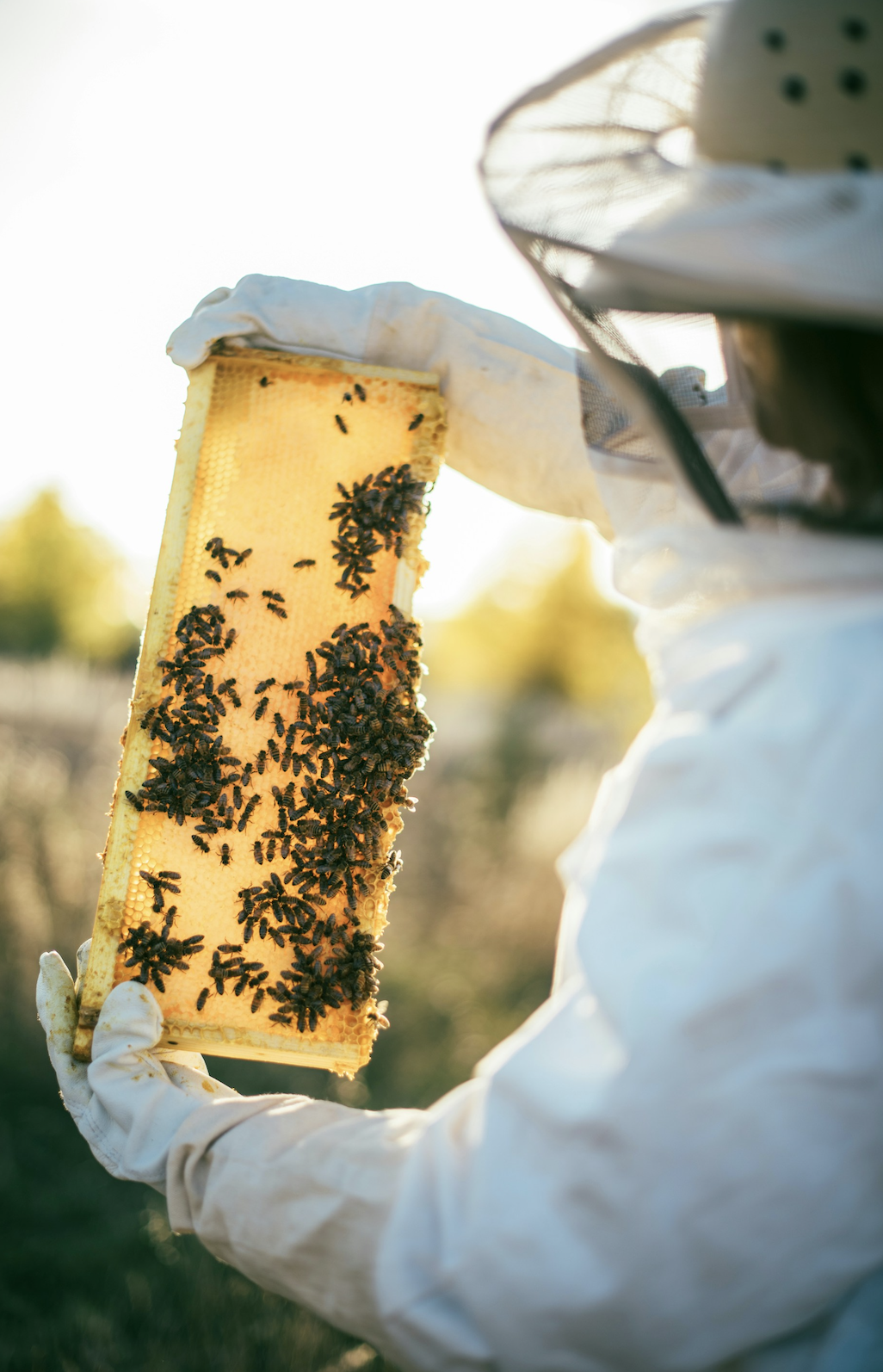
In the Yucatán, honey carries a much older story. For centuries, the Maya have kept the native stingless bee, Melipona beecheii. Known as xunan kab - “royal lady” - the bee was considered sacred, and its honey valued not simply as food, but for its medicinal and ceremonial qualities. Traditional beekeeping here is less about taking from nature than living alongside it, with the bees kept in simple wooden hives much as they have been for generations.
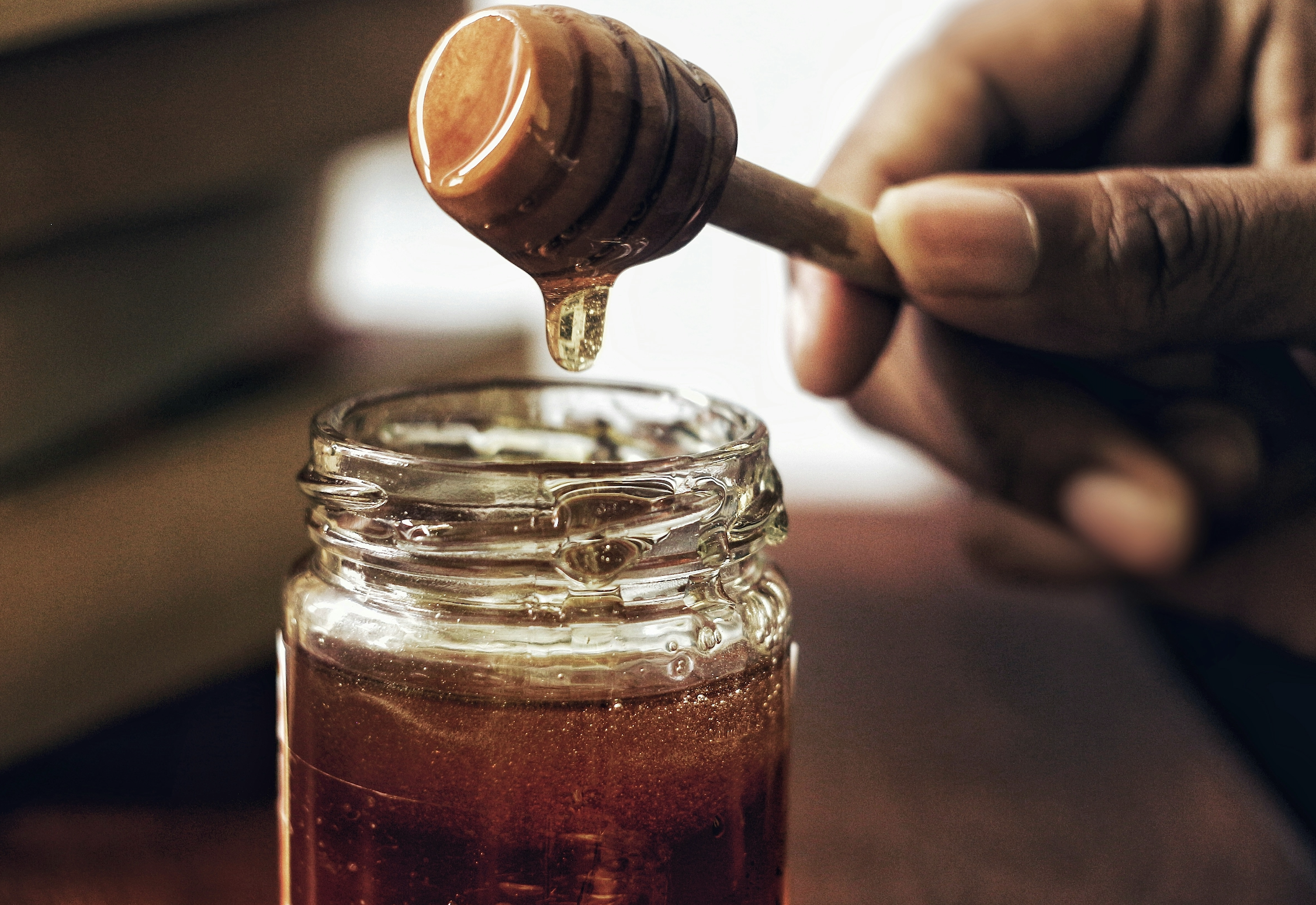
In Britain, you’ll find honey in every household. Sitting in your cupboard as a quiet, permanent fixture of the domestic landscape, immune to class in the form of a jar or squeezy tube. When the weather inevitably turns, it is ready to be drizzled over hot buttered toast or baked into comforting cakes, or used as a golden antidote to make a grey, rainy afternoon feel just a little less bleak.
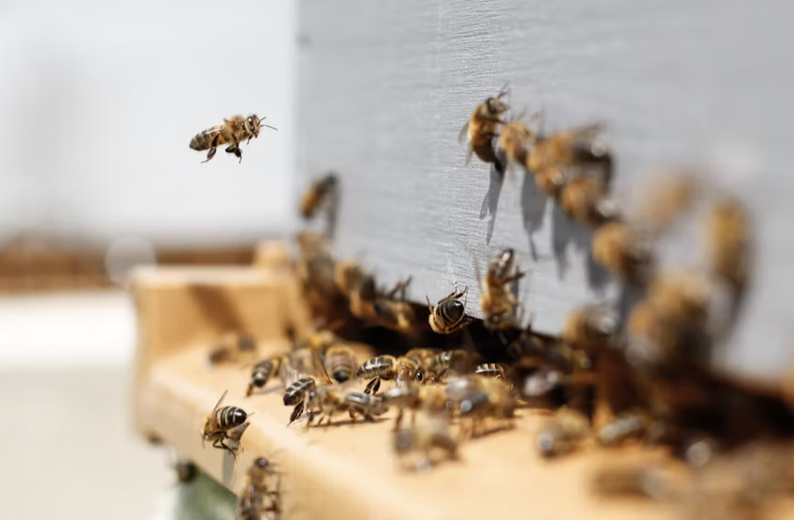
In Kenya, honey has an unexpected new job. Where farms meet wild elephant territory, farmers use bee hives to protect their crops and to prevent unnecessary conflict between man and beast. African honey bees are fiercely protective, and elephants are terrified of them. By hanging hives along field boundaries, farmers create a living fence. A sweet solution epitomising the relationship between people, produce and wildlife.
That is honey’s quiet magic: it begins with a single bee and ends up carrying an entire landscape. In every drop live the flowers, the seasons, the traditions, and the ways we have learned to live in harmony with nature.