
The Gender Politics of Getting Drunk
On masculinity, femininity and the drinks we choose.
We live at a time when we’re getting better at questioning the gender categories we inherited. We interrogate what it means to be masculine or feminine, challenge behaviours historically assigned to men and women, and increasingly reject the idea that everything needs to sit neatly on one side of a binary. But I sometimes wonder whether, in trying to dismantle those old associations, we’ve become uncomfortable even acknowledging masculinity and femininity when we see them.
Can we detach masculinity and femininity from men and women without abandoning the concepts themselves? Masculinity and femininity don’t necessarily have to mean male and female. They can be ways of grouping attributes, aesthetics and behaviours: a cultural language we’ve learned to describe things through. Something can feel masculine without belonging to a man, just as something can feel feminine without belonging to a woman. The mistake might not be recognising these categories, but assuming they dictate who is allowed to participate in them.
Which brings me, obviously, to booze.
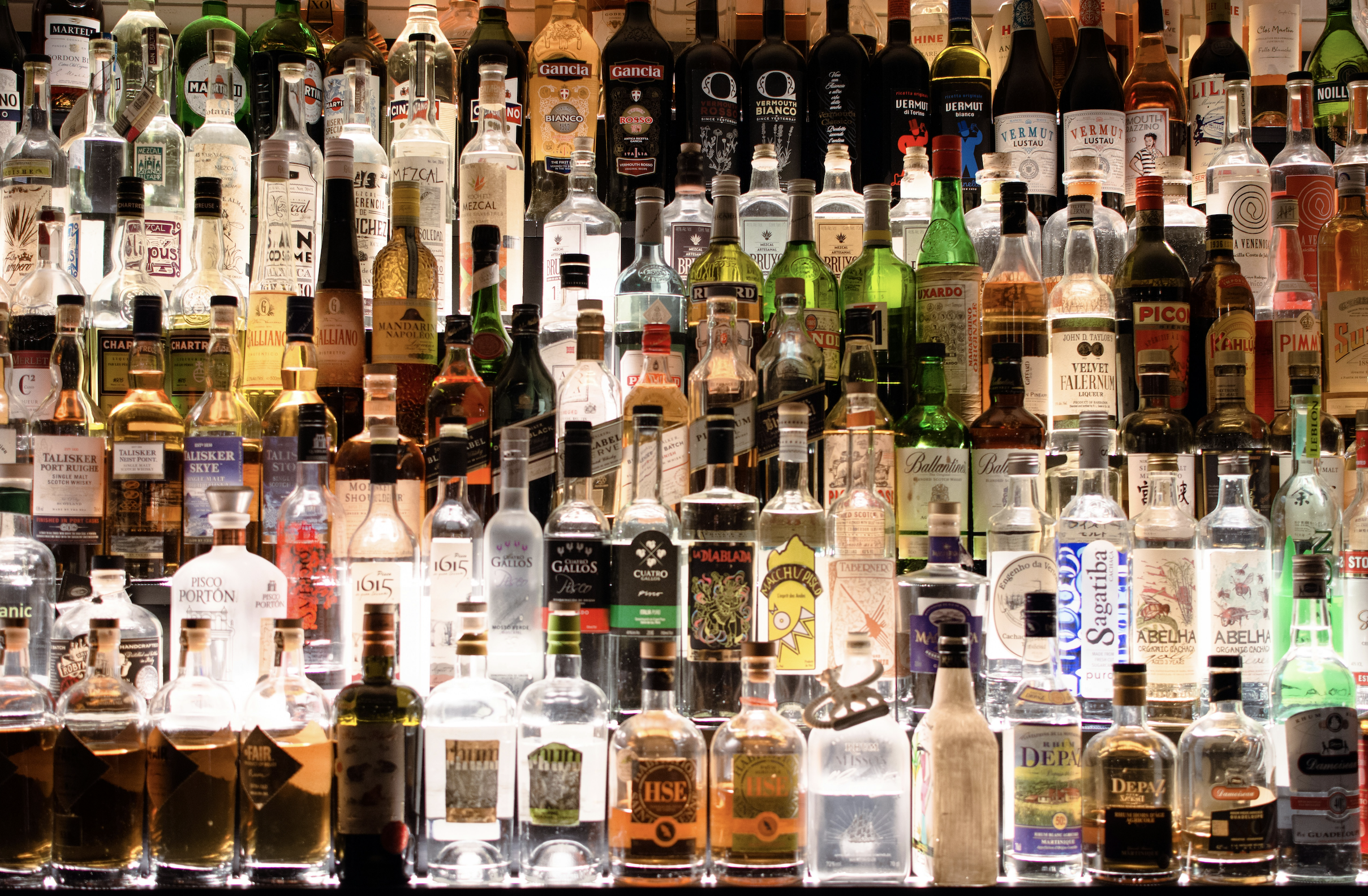
Alcohol is remarkably resistant to our attempts at culturally evolving. We often view lager as masculine or a vodka soda as feminine. An Old Fashioned feels masculine; something pink, sweet and served on a stem probably doesn’t. None of this is materially real. Ethanol obviously does not have a gender, but culturally these associations are so familiar that most of us understand them without needing them explained.
I couldn’t give a flying fuck what somebody drinks or doesn’t drink, and yet if I’m being truthful, my brain automatically assigns these labels. Not necessarily as judgement, but as categorisation: masculine, feminine, elegant, heavy, girly, serious, sophisticated. Humans constantly put things into boxes because boxes make an overwhelmingly complicated world easier to understand. Despite reality being mostly grey, our brains remain remarkably fond of black and white.
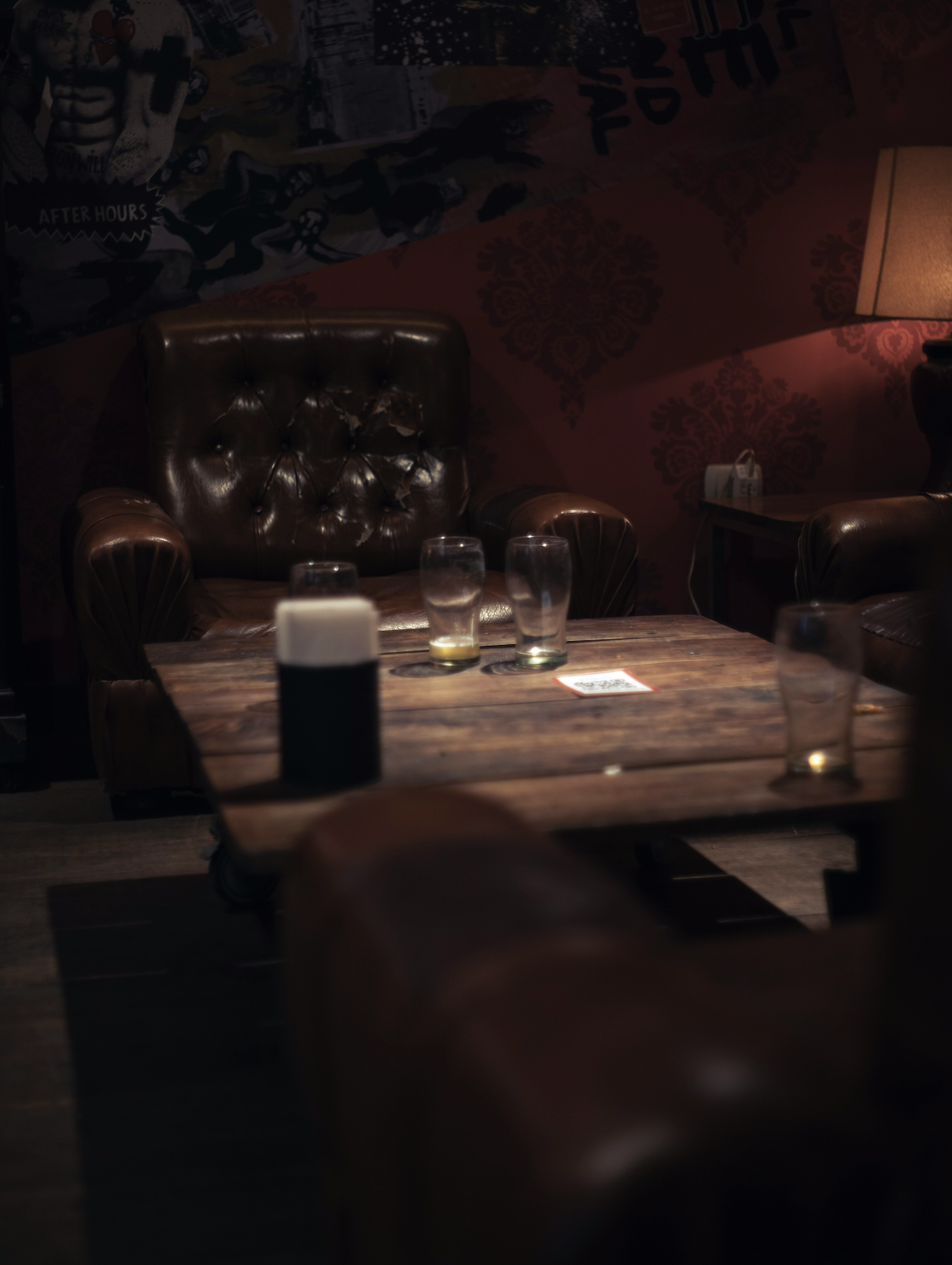
What interests me is that even as I’ve tried to loosen some of my own rigid ideas about masculinity and femininity, the gendering of alcohol remains annoyingly intuitive. Work in a pub and you see it firsthand. Straight men drink a lot of beer. They drink heavy reds, whisky and bitter cocktails; drinks that burn, drinks that arrive in thick glasses, drinks you're apparently supposed to grimace slightly while swallowing. Women, broadly speaking, order more colourful cocktails, sparkling wine, vodka sodas and drinks described as light, elegant, fruity or delicate - the same vocabulary we have historically attached to femininity itself.
Of course there are countless exceptions. That's not really the point. A stereotype doesn't require everybody to conform to it; it only requires enough people to recognise it. The more interesting question is why these patterns remain recognisable at all, and how much of what we call personal taste is actually personal.
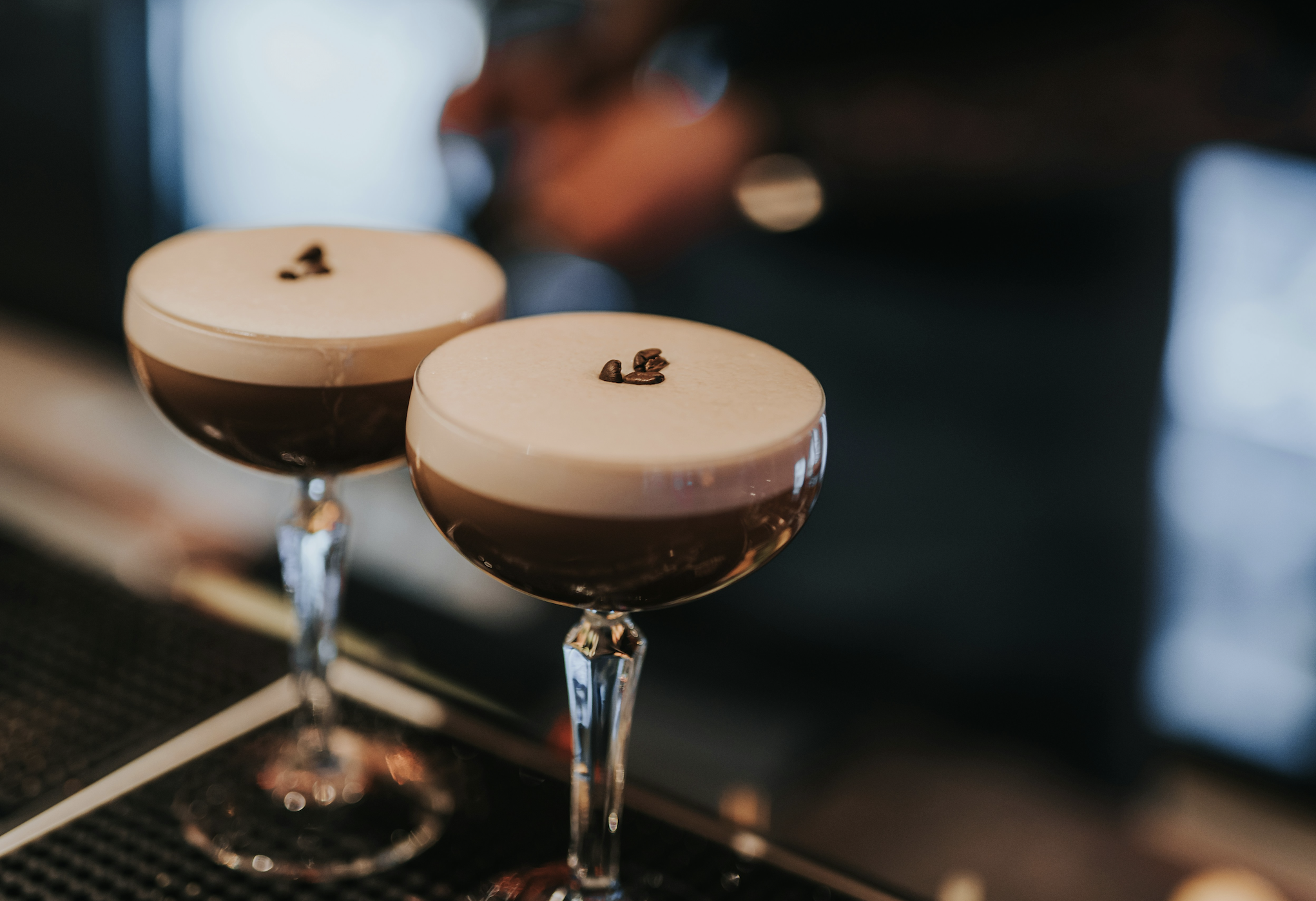
Sexuality complicates this further. Most queer men I know have little interest in beer and prefer drinking light mixers or sweet cocktails. I don't think gay men are somehow naturally predisposed towards espresso martinis, nor that they're consciously choosing a drink to perform their sexuality. But perhaps stepping outside conventional heterosexual masculinity also loosens some of its rules. Maybe it isn't that queer men are performing femininity through what they drink; perhaps straight men have historically been performing masculinity by deliberately rejecting anything associated with it.
At what point, after all, does someone decide that bitterness is more appropriate for them than sweetness? Nobody sits a teenage boy down and explains that lager is masculine and a passion-fruit martini isn't. You absorb it through advertising, films, pubs, parents, friends, dates, jokes and the reactions you get when you order something unexpected. Eventually culture becomes so familiar that it begins to feel like preference.
I've experienced the stupidity of this myself. I once gave a woman “the ick” by drinking a glass of rose because, according to her, the drink was feminine and not what guys she had dated previously usually drank.
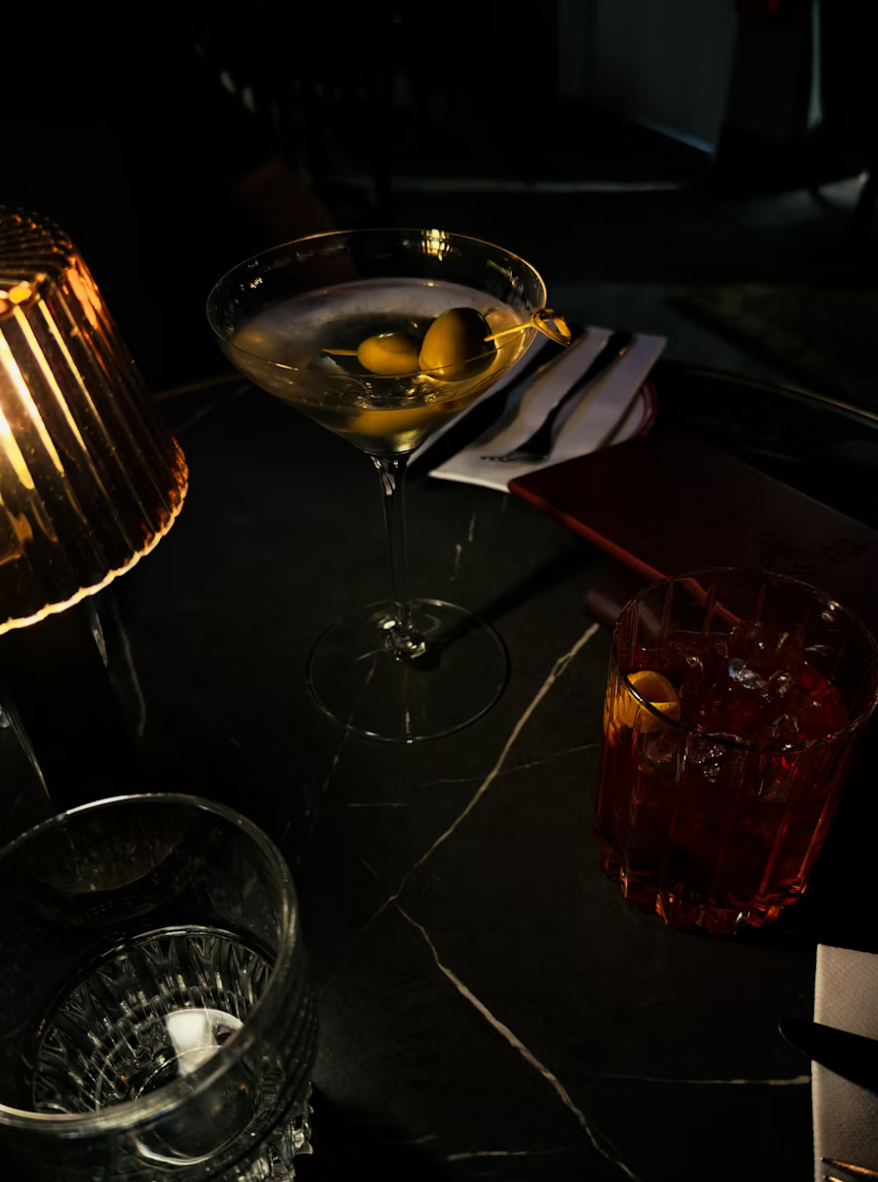
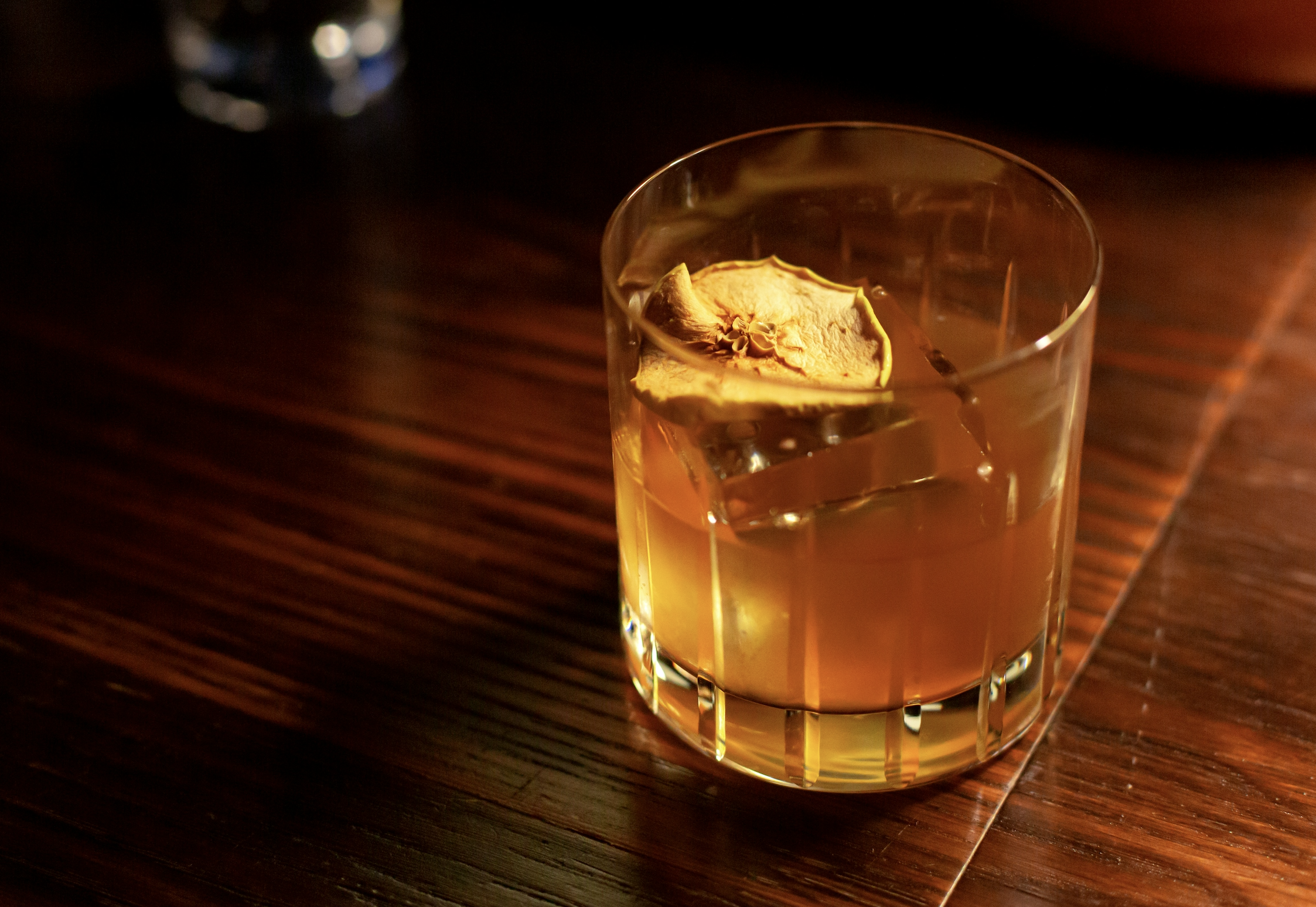
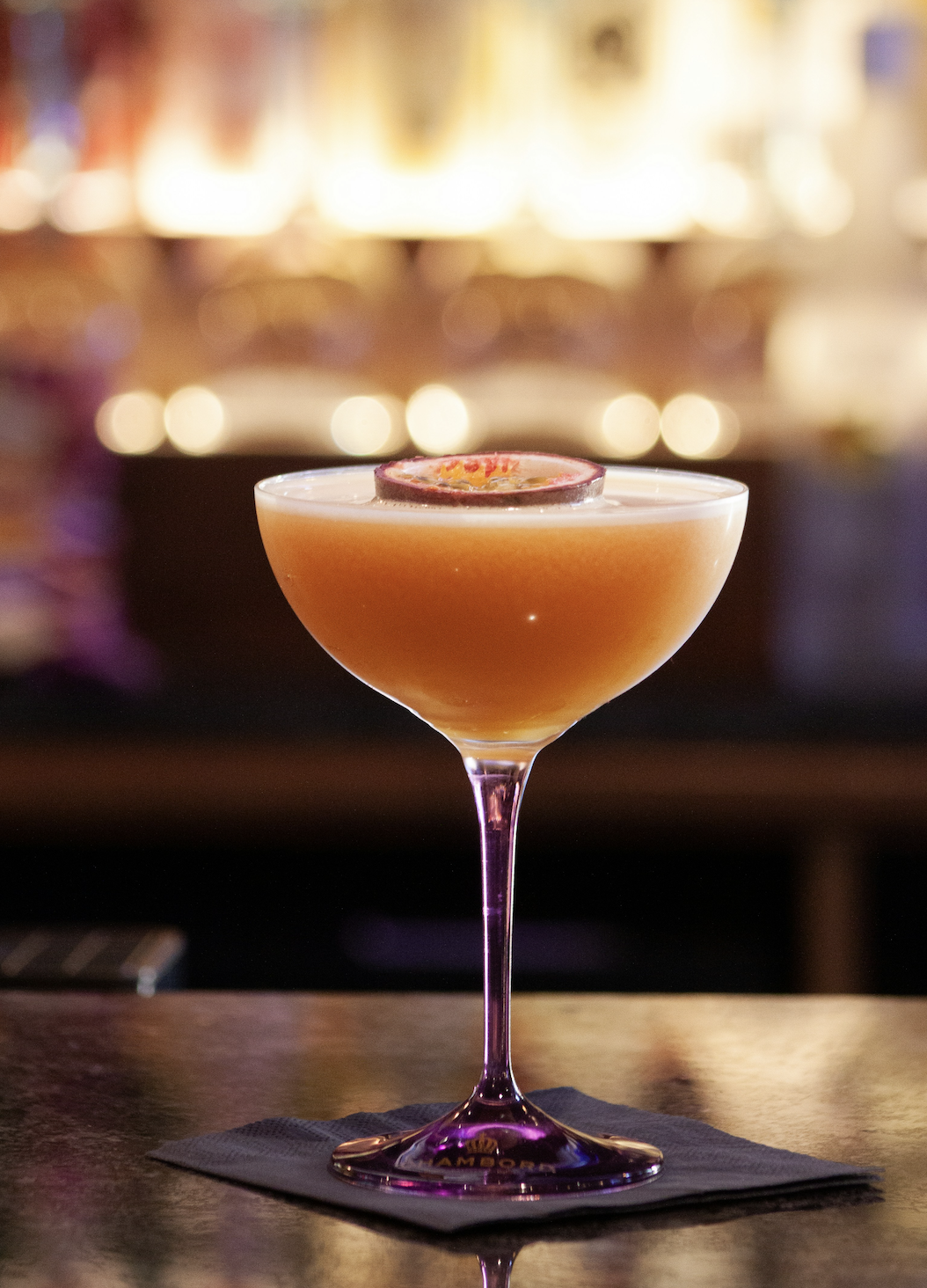
And glassware might tell us almost as much as the drinks themselves. An Old Fashioned arrives in a short, thick, weighty tumbler that fills your palm. A Cosmopolitan sits precariously above a thin stem. One feels solid and substantial; the other delicate and ornamental. Then there is the way we're expected to consume them. Beer is gulped, whisky burns, shots are knocked back. Wine is sipped. Champagne glasses are held by the stem. Cocktails are garnished with cherries, citrus, flowers and tiny umbrellas. We've somehow managed to gender not only alcohol, but colour, flavour, glassware, portion size, decoration and even the physical movements involved in getting drunk.
It makes me wonder whether we've actually gendered something more fundamental than alcohol: taste itself. Bitter, smoky, strong, dark, heavy and burning read as masculine. Sweet, fruity, colourful, light, delicate and decorative read as feminine. These associations extend well beyond the bar. Steak and salad, black coffee and a sweet latte, large portions and restraint: food is full of the same language and symbolism. Perhaps what we eat and drink is one of the quieter ways we construct an identity every day.
There are strange exceptions. Champagne, for instance, feels unusually gender-neutral. Men drink it. Women drink it. Brides hold it at weddings and racing drivers spray it over one another on podiums. It can communicate femininity, masculinity, wealth, celebration, elegance and excess without ever quite belonging exclusively to any of them. Perhaps status can overpower gender; perhaps celebration gives us temporary permission to stop caring. Or perhaps champagne has simply accumulated enough different cultural meanings to escape the categories other drinks remain trapped inside.
But these preferences didn't emerge from nowhere. For generations women have been taught to monitor their bodies, to remain thin, controlled and desirable under a predominantly male gaze. It isn't difficult to imagine how that history intersects with drinking cultures built around vodka sodas, slimline tonic and drinks advertised as light. The supposedly feminine drink doesn't only need to look delicate; often it needs to promise that the woman drinking it can remain delicate too.
Men received a different instruction. Drink the pint, then another one. Keep up with the lads. Handle your booze. Don't order the pink thing. Don't grimace at the whisky. Drinking becomes another small arena in which masculinity can be demonstrated, and perhaps this is where the distinction between masculinity and men becomes important. There is nothing inherently wrong with the ritual of pints with your mates, the heaviness of a whisky tumbler or enjoying things that feel traditionally masculine. The problem begins when participation becomes obligation.
And perhaps that's also why the question of who drinks what is more complicated than looking at men and women and counting their orders. Maybe women aren't disproportionately choosing feminine drinks as much as men are disproportionately policing themselves away from them. Ordering alcohol is unusually public. Everybody at the table sees what you've chosen. The bartender sees it, your date sees it, your mates see it. Your preference becomes a tiny performance of yourself.
I don't think the solution is to pretend masculinity and femininity don't exist. I’m not even convinced that would be desirable. There can be pleasure in masculinity and femininity, in moving between them, exaggerating them, rejecting them or playing with them. A whisky can feel masculine. A coupe can feel feminine. A man can participate in femininity and a woman in masculinity without either attribute suddenly becoming meaningless. These are cultural languages, not biological property.
The problem comes when description becomes prescription: when “this feels masculine” quietly becomes “this is for men,” or “this feels feminine” becomes “a man shouldn't want it.” At that point an aesthetic category has turned into a rule, and something as insignificant as ordering a drink becomes another opportunity to prove that you're performing your gender correctly.
So perhaps the goal isn't to eliminate these categories, but to recognise how much power we've given them. To notice that our tastes were shaped long before we started calling them our own, while accepting that this doesn't make the pleasure we get from them any less genuine. I love beer, whisky, heavy red wine and bitter cocktails, all things that happen to sit quite comfortably within our idea of masculine drinking. But I also drink them alone, when there’s nobody around to witness whatever masculinity they might supposedly communicate. I’m pretty sure I just genuinely fucking like them.
And maybe there's a simpler way of finding out how much of our drinking identity really belongs to us: if nobody else could see what you ordered, would you order the same drink?
Maybe the aim isn't to stop seeing masculinity and femininity altogether, but to stop treating them as instructions. JD from Scrubs never cared - “One Appletini please. Easy on the tini.”