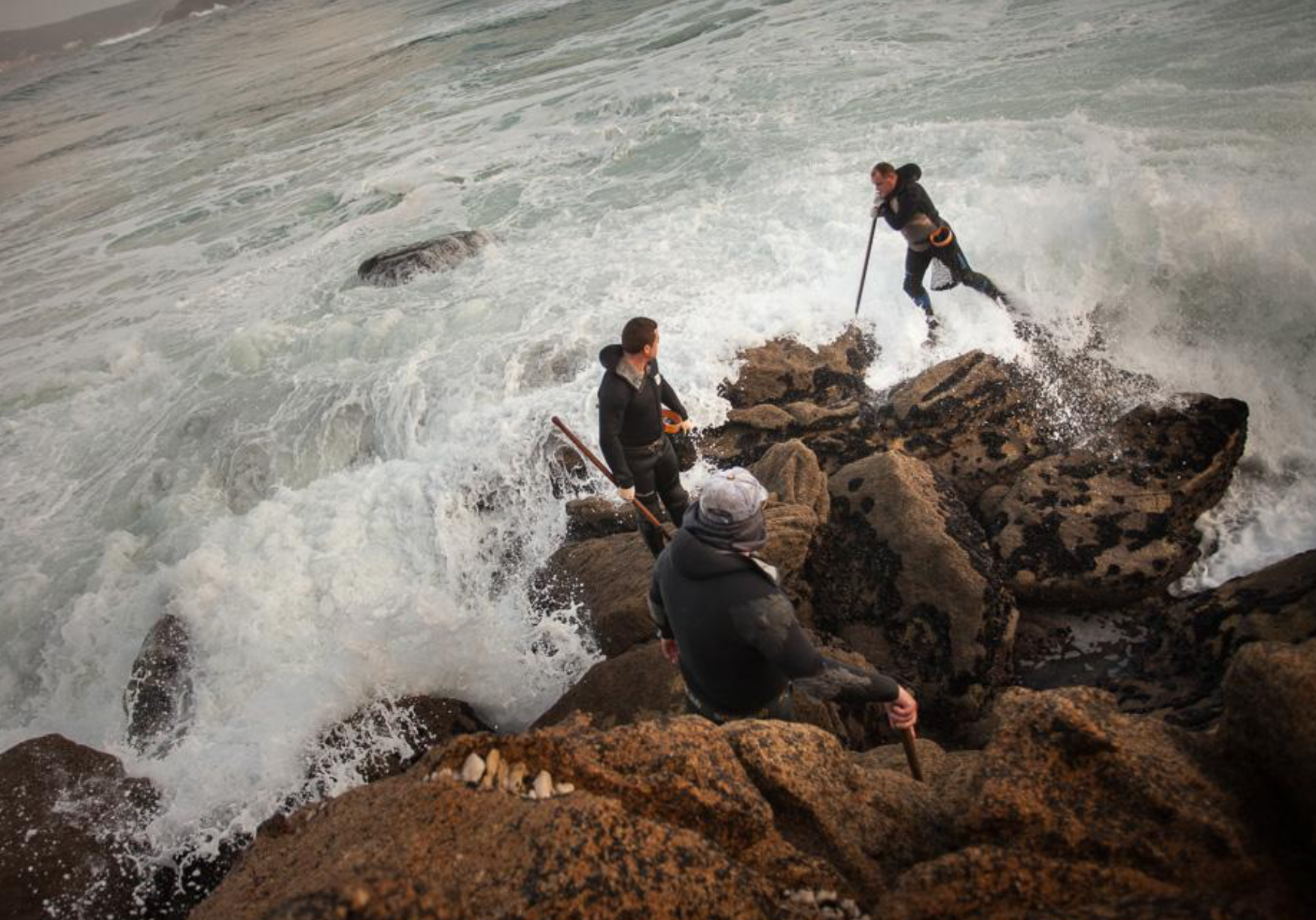

On Spain's Coast of Death, a group of fishermen risk their lives for one of the country's most peculiar delicacies.
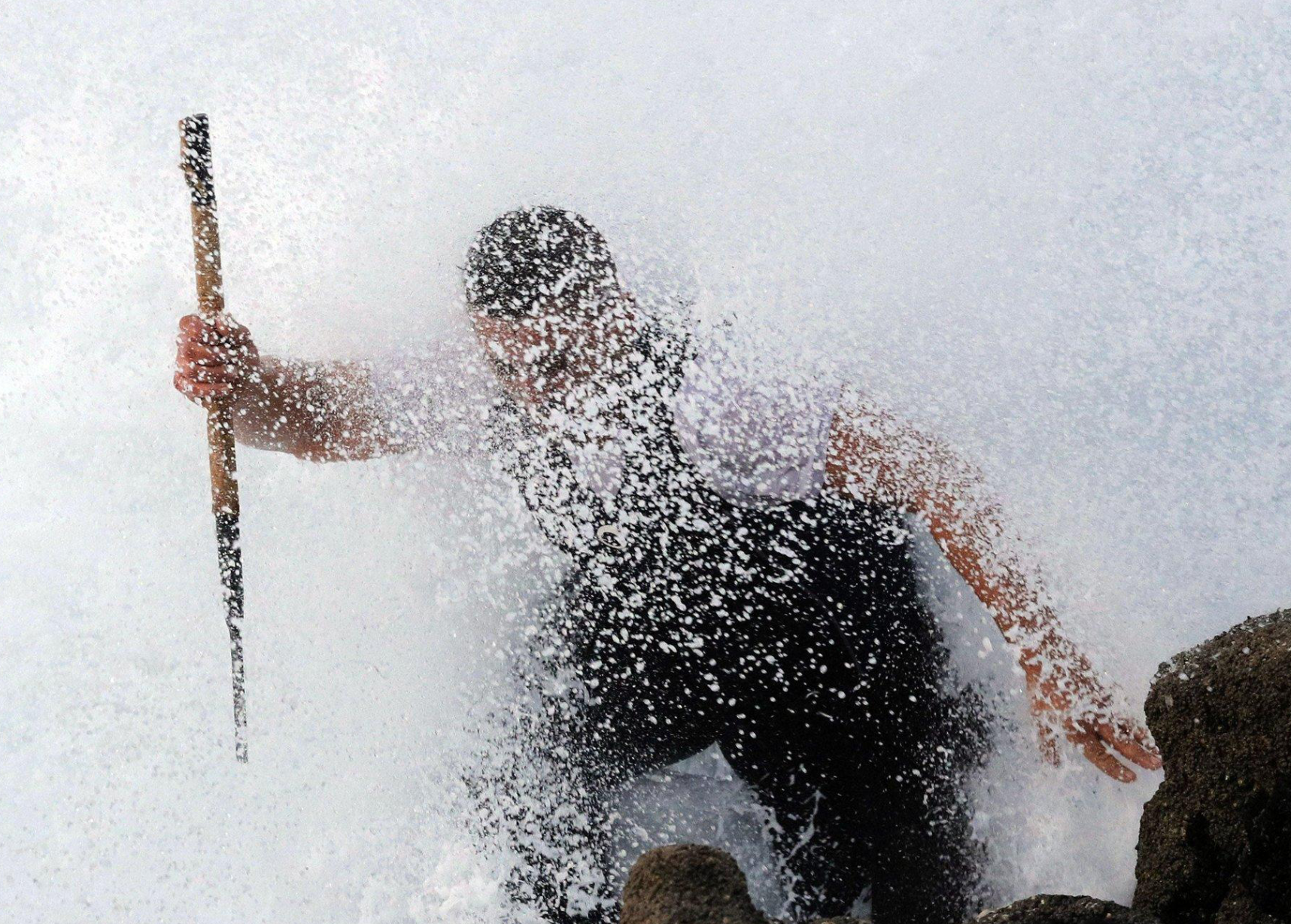
There are easier ways to make a living than clinging to a slippery rock while the Atlantic Ocean attempts to claim you. Yet on the rugged coastline of Galicia, in northwestern Spain, this is precisely how a small community of fishermen earn their keep.
All this for barnacles. Really?
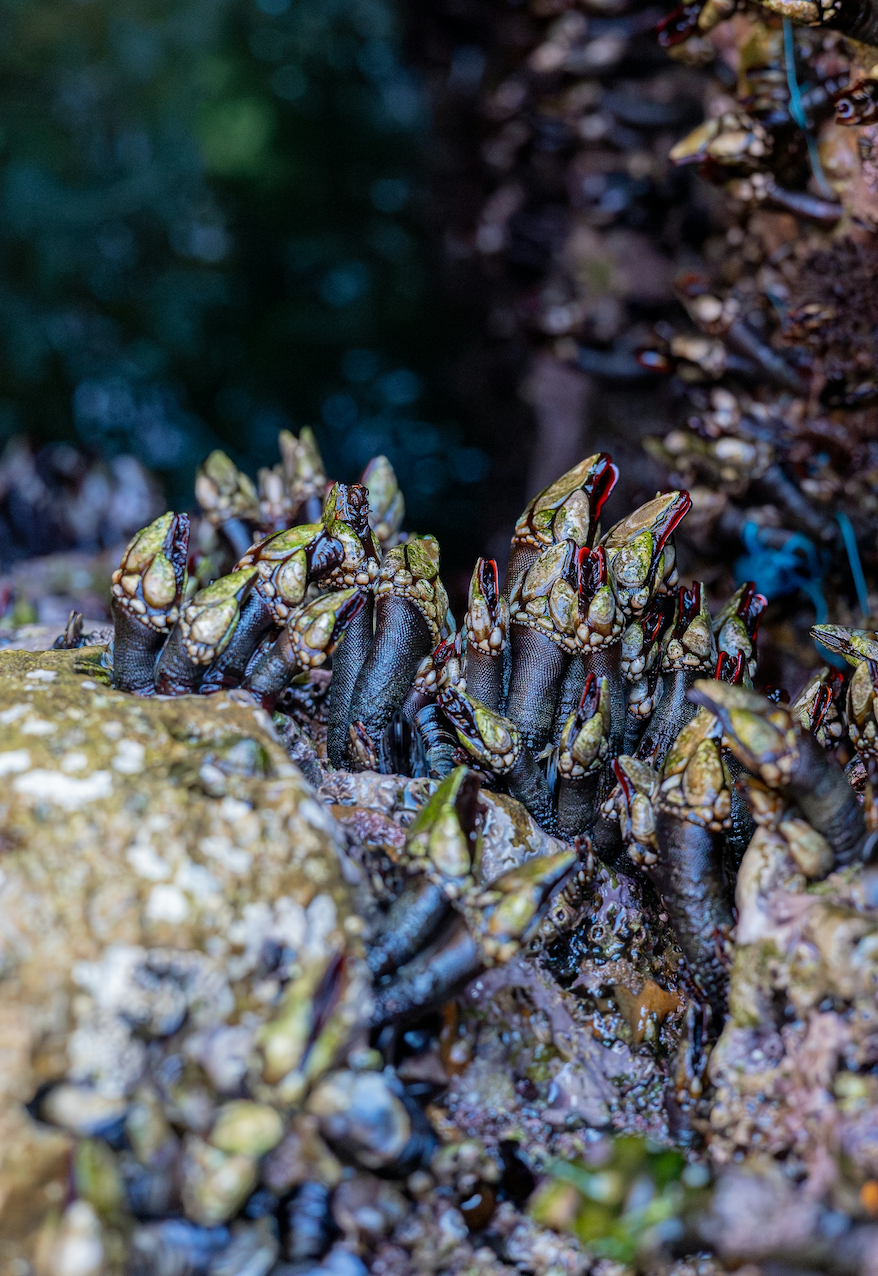
Well, these aren't the sort you'd scrape off the bottom of a boat. They're percebes, or goose barnacles, surreal-looking crustaceans resembling prehistoric claws attached to leathery stalks. Some creatures simply weren't designed to be looked at. Yet these peculiar little creatures are among Spain's most coveted seafood delicacies, fetching eye-watering prices.
The legends who collect these stubborn f******* are known as percebeiros, and for them, the difference between a good day's catch and a very bad day can come down to a single wave. Their workplace? Galicia's Costa da Morte, which translates rather ominously as the Coast of Death. Some commute.
With centuries of shipwrecks, violent storms and treacherous waters behind it, the coastline has more than earned its reputation. And yet, for the percebeiros, those very conditions are what make the rocks so valuable.
Armed with metal scrapers, ropes and wetsuits, percebeiros descend onto exposed rocks, timing their movements between incoming waves. They have only brief windows in which to detach the barnacles before the next surge arrives. One badly timed movement can be fatal. And this isn't just a dramatic story told to justify the price of an expensive plate of seafood. Harvesters have lost their lives doing this work.
At first glance, percebes don't exactly scream luxury. They look like something you’d expect to be plucked out of a lake near Chernobyl. But in Galicia, they are hugely celebrated. During periods of high demand, premium specimens can sell for well over €100 per kilogram.
Their preparation is wonderfully straightforward. The barnacles are briefly boiled in salted water, sometimes with a bay leaf, and served with very little ceremony. To eat one, you grip the shell and peel back the tough outer skin, revealing a small piece of tender flesh inside. The flavour is intensely marine, often described as a concentrated taste of the Atlantic. After all, when your lunch has already survived the full force of the ocean, it probably doesn't need a complicated sauce.
For generations, goose barnacle harvesting has been woven into the identity of Galicia's coastal communities. Around the village of Corme, particularly near Cape Roncudo, knowledge of the rocks, tides and sea conditions has been passed down through generations.
But the industry is far from an unregulated treasure hunt. Harvesting is controlled through licences, quotas and designated collection periods. Their high market value also makes percebes attractive to poachers, creating another headache for the licensed harvesters.
And then there's the question of who will continue doing the work.
In a 2024 Reuters report, Corme harvester Roberto Vidal described how the number of people collecting barnacles in his town had fallen dramatically. He recalled a time when there were between 100 and 200 harvesters, compared with around 30 at the time of the interview.
A generation of snowflakes.
Every summer, the village of Corme celebrates its famous seafood with the Festa do Percebe do Roncudo, a festival dedicated to the local barnacles and the people who collect them. It's a reminder that percebes are more than an expensive ingredient on a restaurant menu. They represent a community, a particular stretch of coastline and generations of knowledge about how to make a living from an unforgiving sea.
And while the rest of us might complain about the price of seafood, it's worth remembering that some have to go hand-to-hand with the Atlantic to put it on our plates.