

The Clothes We Eat In
Lately I’ve been mulling over what people wear when they eat. Let’s be clear, I’m no fashionista. I’m simply interested in the human condition, and what we might learn about people from the clothes they choose to sit down and consume in.
I notice it everywhere: in restaurants or cafes on a weekday or weekend, nosily analysing other Breeze dates when I should be present on mine; passing through train stations and airports along my travels, quietly observing settings and the clothes they feature.
Do it yourself. Take a look around you. You can hypothesise quite a lot about a person, or people, from what they’re wearing whilst eating. Are they old friends? Is it platonic? Is this a job interview, a client meeting? Are they father and daughter, or a couple with a questionable age gap? How much of what someone is wearing dining out is authentically them? Are they performing or are they the master of their outfit? It’s all a bit fascinating to me.
Just me and my friends
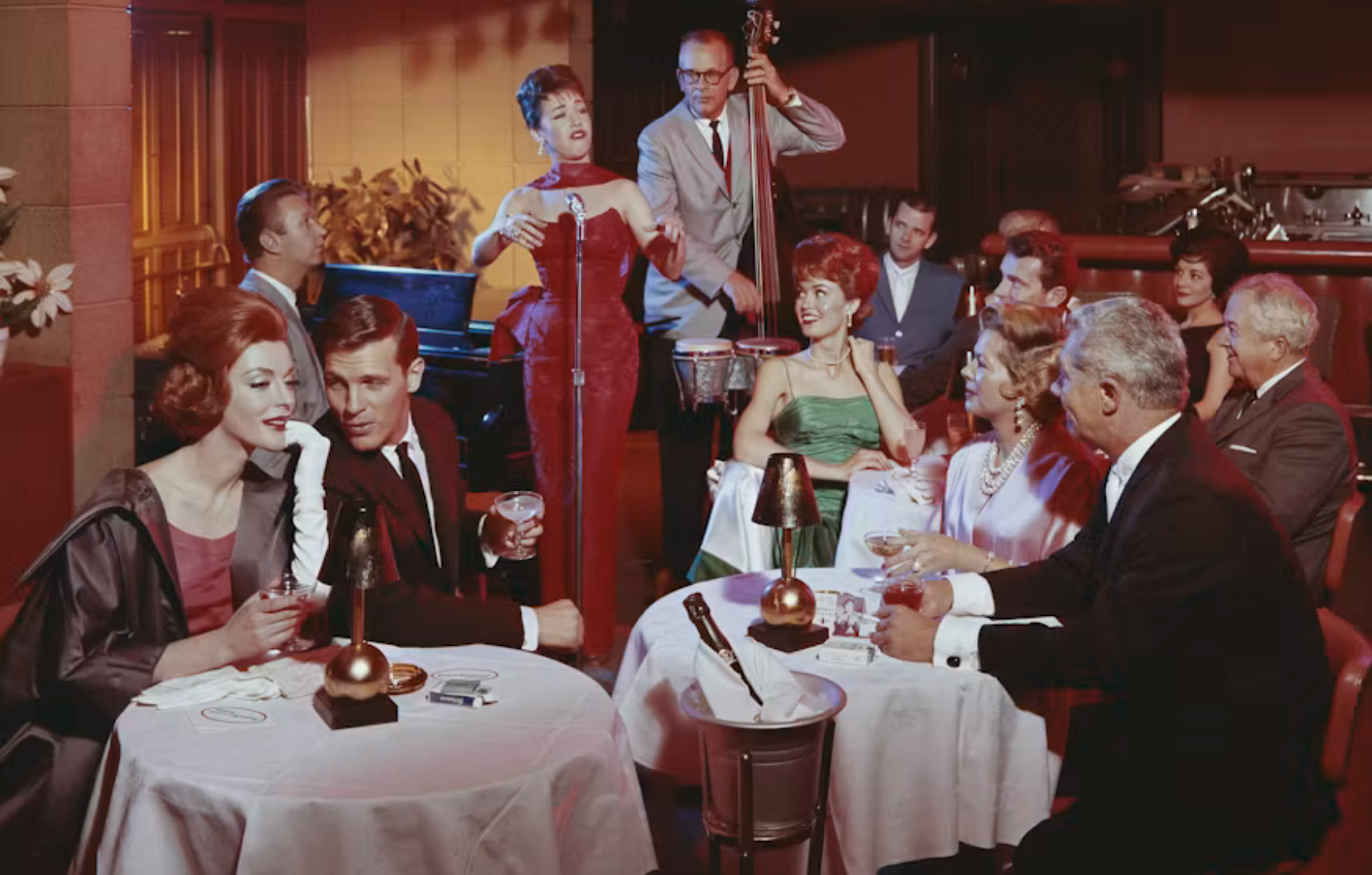
Most Boomers I know support dressing up for any dining outing; the Millennials appear as though they’ve wandered to the table from their sofa. When the former go out for dinner, they take time to get changed. Not necessarily into anything overly formal: a decent shirt, proper shoes, something deliberate. But not an outfit they would wear casually around the house or to the local offy. Or should I say in the case of my middle class family, Waitrose. For them, going out to eat means getting ready to go out. I’m not sure my generation ever consciously decided to abandon that. We just grew up with different rules. Trainers are fine. Jeans are acceptable. You can walk into an awful lot of restaurants dressed exactly as you feel most comfortable, and nobody thinks twice.
In one sense, that’s wonderfully liberating. But I wonder if we’ve lost a small pleasure along the way: the act of marking a meal as different. There is a charm with taking your time to get ready, making an occasion of it and putting on something you don’t wear every day.
And clothes can do something else, too. They can change the way we behave. Think about a three-Michelin-star dining room. If you’ve ever been lucky enough to experience one, you know that you dress the part, and, almost without noticing, begin to play it too. You walk through the door and your mood changes, you can’t help but smile wide at the unusual amount of attention you’re suddenly receiving. The closest I can come to describing it is being an eight-year-old page boy at my aunt’s wedding, walking down the aisle and beaming uncontrollably in the glow of this newfound spotlight. Your voice changes; you soften. You sit a little differently. You become more conscious of the people around you. You pay closer attention to the plate in front of you. Part of that is the food, of course. Part of it is the room: the service, the choreography, the sense that you’ve entered somewhere where the ordinary rules of eating have been suspended for a few hours. But part of it is what you’re wearing. You arrived dressed for the occasion, and somewhere along the way you began behaving for it too. You are in that moment; your most elegant self.
But I’ve always enjoyed the dualism in Anthony Bourdain’s approach to food. Some of his greatest meals were almost defiantly unconcerned with any of this. A plastic chair, a beer, a bowl of noodles, a street-side table, a Marlboro Gold lit in hand. Nobody has dressed for dinner because nobody needs to. The food is enough. There is no ceremony to perform and no dress code to satisfy. You simply sit down and eat.
And that is the other truth about eating. Sometimes the magic comes from removing all the ceremony. Sometimes it comes from embracing it. Neither needs to be more authentic, more enjoyable or more important than the other. They are simply different ways of making a meal mean something.
Perhaps that’s what I’m really interested in when I look at what people wear to eat. Not whether they are dressed well, but whether they have decided that the meal is an occasion. We spend so much of our lives eating without really noticing it: at our desks, on the sofa, in the car, standing at the kitchen counter. Food has become something that can happen almost anywhere, at almost any time.
So there is something rather nice about getting changed for it. Because it’s worth reminding ourselves that eating together is worth dressing up for.a meal.