

Light’s Out.
As I’ve said before, and I’ll state again. The Cornish pasty is my death-row meal. For now, anyway. These statements are changeable. I could just as easily nail a tray of tiramisu, or tear through a large portion of fish and chips by the seaside before the lights go out.
A pasty from my home town Penzance is not the best thing I have ever eaten. I have travelled long distance for stupidly good food, spent concerning amounts of money I don’t have on it and eaten things requiring considerably more skill. But none get the call up.
Your last meal is a strange hypothetical because most people are so certain. Those who usually take twenty minutes to choose their starter become remarkably decisive when execution is involved. Nonna’s lasagne. Half a dozen Oysters from a specific coastline. Jamie’s beans on toast. We treat it as a game, but behind it is an odd ritual: at the point when a person has almost completely lost control over their own existence, we ask them what they would like for dinner.
The American version of the last meal is less fun. Prisoners cannot simply order anything they want; cost, availability and prison rules apply, and in some places there is no special meal at all. Texas abolished special requests in 2011 after Lawrence Russell Brewer ordered an enormous spread, steaks, a cheeseburger, an omelette, fried okra, barbecue, fajitas, pizza, ice cream and fudge among it. And then ate none of it.
A prison dictates where somebody sleeps, when they wake, what they wear, where they can walk and ultimately when they will die, but pauses near the end to accommodate a preference. The condemned man briefly becomes a customer. What would you like?
It is a tiny piece of agency inside a process designed to remove it. The gesture is humane and absurd at the same time, which might explain why the last meal has such a hold on the imagination.
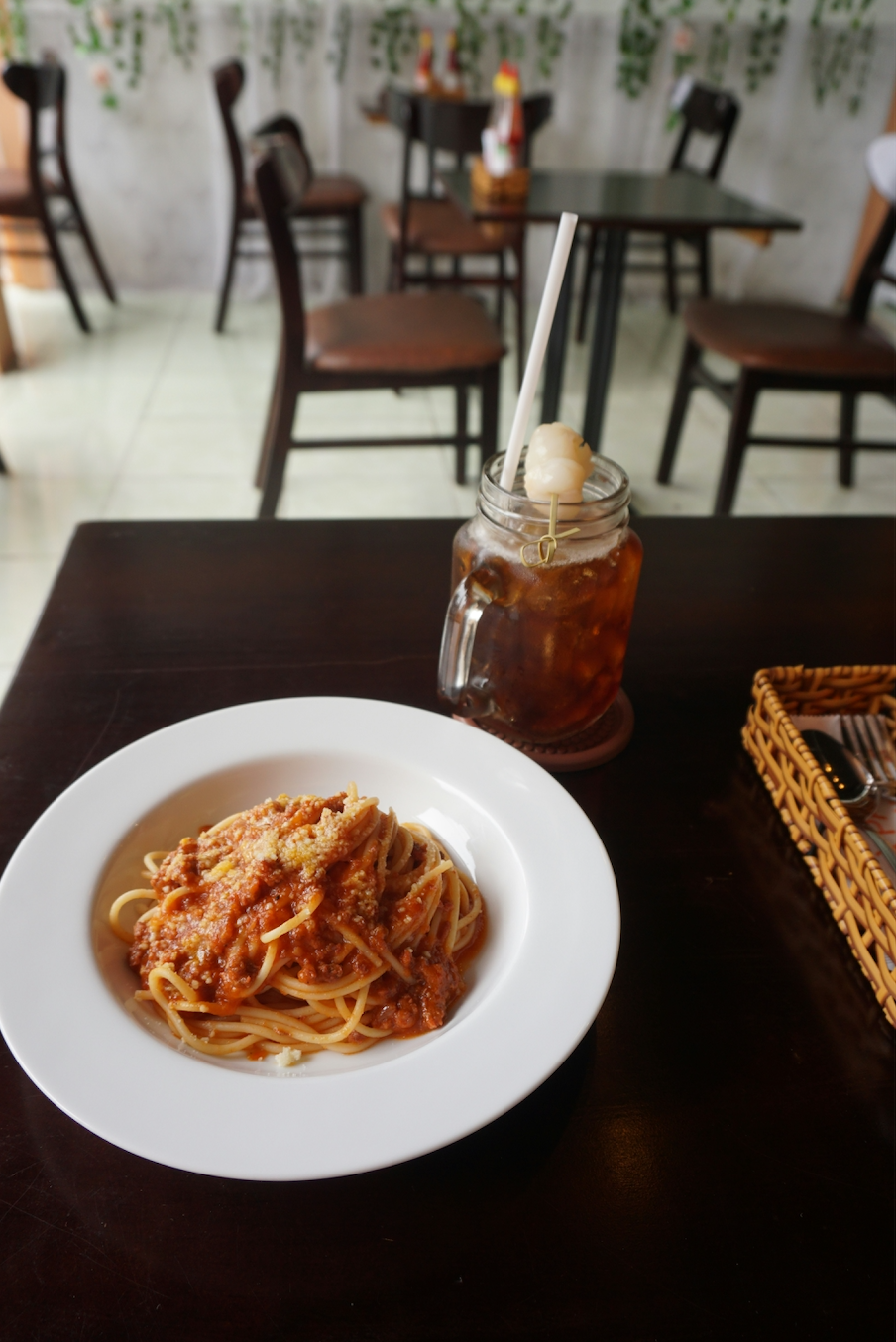
This week, I asked people theirs. The question comes with open-ended clauses, but some know they just want one dish, others desire a three courses. One said duck pancakes with prawn crackers. Another, Singapore noodles. A third, a pint of pistachio gelato. Someone chose his dad’s spaghetti bolognese; my Hungarian friend, fisherman’s soup. In some cases, it doesn't matter that every chef and ingredient on earth are theoretically available.
Another went in the opposite approach and treated imminent death as the perfect excuse for decadence and excess: oysters with mignonette as an appetiser, ceviche & tuna tartare to start, beef and chorizo lasagne with focaccia for main, carrot and walnut cake for dessert. All alongside a spicy margarita. She wasn’t specific about the tequila brand. An oversight, but not fatal.
Theoretically, you might expect more answers like this, or at least follow-up questions testing the limits of what’s allowed. But for the most part, people know very distinctly what they want. It’s almost a reflex, and usually it’s just one dish. On podcasts such as Off Menu, of course, the premise demands a full meal.
What’s striking is how ordinary the choices tend to be. The dishes come from home, childhood or habit, rather than any desire to demonstrate culinary knowledge. Given limitless choice, people don’t seem to become more adventurous. They become more simple, but specific.
The irony is that contemporary food culture spends so much time doing exactly that. We rank restaurants, award stars, debate about where the best pizza is in a city and across the world to eat things because somebody on Instagram has told it’s the bomb.. I am completely complicit in this. The idea that some food is better than other food is responsible for a substantial portion of my personality.
But ask someone what they want to eat immediately before dying and much of that hierarchy collapses. The foods we admire and foods we are attached to aren't the same. A technically perfect plate in Copenhagen can be more impressive than your dad's bolognese without being more important to you. One satisfies all the criteria by which we've learned to judge good cooking; the other has twenty years of your life mixed into the sauce.
For a lot of people, the answer seems to be familiarity. That doesn't mean the final meal is some pure revelation of the self. The entire conversation is ridiculous because those of us having it aren't about to die. I can enthusiastically design my final dinner because I expect to wake up the next morning. The real experience would involve terror, not menu planning. I could spend years insisting on my pasty and, when the moment came, find myself unable to swallow a mouthful.
That distance is what makes the question enjoyable. "What would you eat before you died?" is a socially acceptable way of talking about death without dwelling on dying. The conversation stays with chicken or beef rather than fear, religion or oblivion.
Still, I like what the answers expose. People mostly go back in time. Parents appeared. Grandparents appeared. Childhood houses, local takeaways and dishes eaten so many times that nobody had previously thought them worth mentioning appeared. Given access to anything, people chose what they knew.
I wouldn't want my final meal to challenge me, educate me or demonstrate what an interesting eater I'd become. There would be no point. I’m dead.