
When Does An Animal Become Food?
There is a moral line running through every food culture. On one side are the animals we eat. On the other are the animals we don't. The strange thing is that the line moves.
A cow can be dinner in Britain and have profound religious significance elsewhere. A pig can be at the centre of a European feast and completely absent from a Muslim or Jewish table. A rabbit might be a paella to one person and a pet named Flopsy to another. None of the animals change. We do.
Most of us probably don't remember being taught which animals are food. We simply grew up knowing. Chickens are food. Fish are food. Dogs are not. Cows are food. Cats are definitely not. Rabbits occupy a slightly confusing middle ground. Most of us don't independently decide which species are edible. We inherit a menu long before we are old enough to question it, and normal is enormously powerful.
The horse in the burger
When horse meat was found in Tesco products being sold as beef in Britain in 2013, the scandal was fundamentally about trust. People had bought beef and had been given something else. It exposed uncomfortable questions about labelling, traceability and the complexity of the food supply chain.
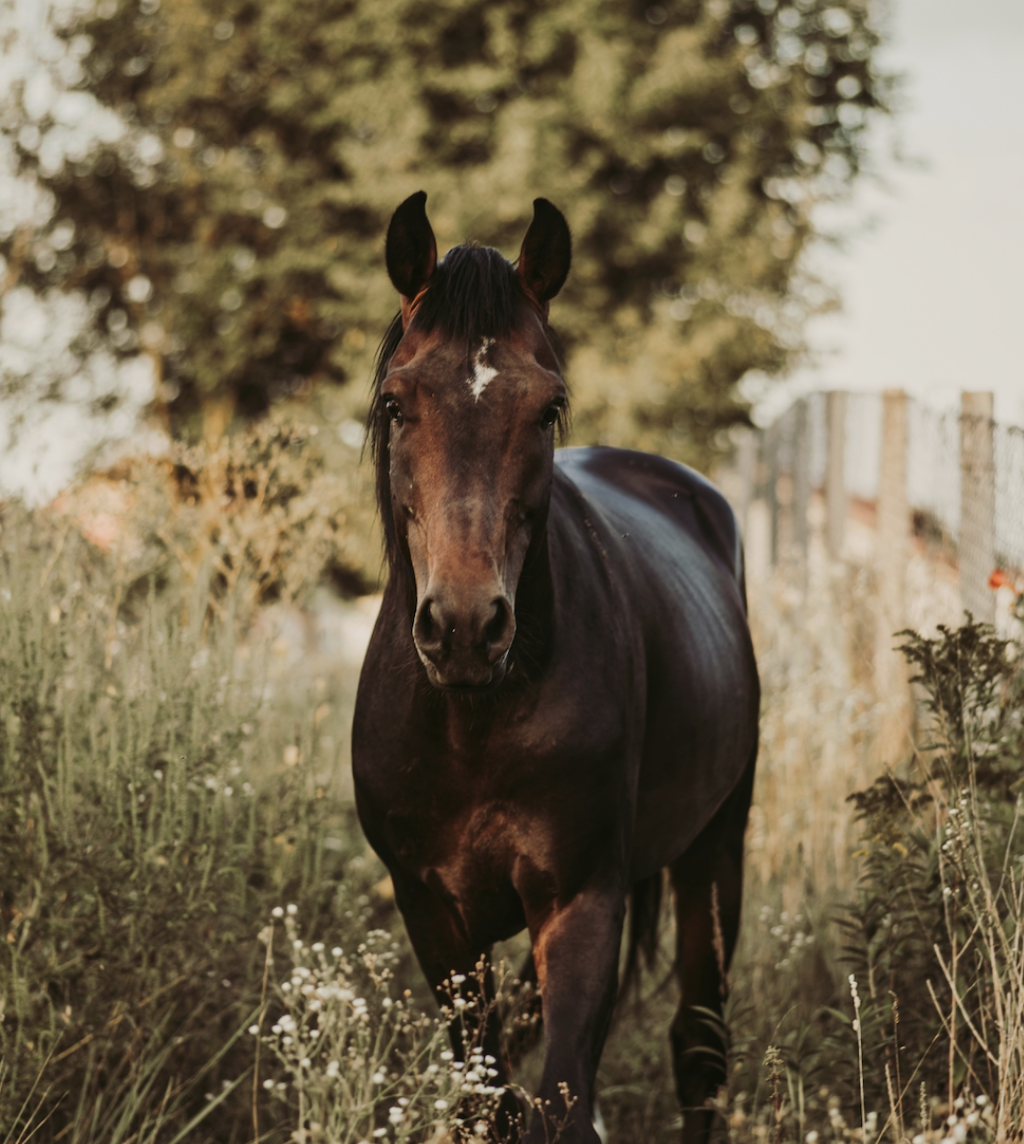
But there was also something particularly unsettling about the fact that the mystery meat was horse. For many British people, horses don't naturally belong in the mental category marked "food". We ride them. They race. Children form relationships with them. They appear in stories. They are animals we give names to.
Yet elsewhere, horse meat is knowingly eaten. It has established culinary traditions in parts of Europe and is eaten in Japan too. The horse is the same animal; what changes is the story surrounding it. And that raises an uncomfortable question: why should eating a horse feel more disturbing than eating a cow?
Disgust has a culture
Disgust feels instinctive, which is what makes it so interesting. We say something is disgusting as though we are describing a quality of the thing itself, but what disgusts one person can be completely ordinary to another.
Perhaps nowhere is that more apparent than with animals we think of as companions. For many of us, the idea of eating a dog creates an immediate emotional reaction. Dogs have names. They live in our homes. We talk to them. We mourn them. The disgust arrives almost before we have had time to think about why.
And yet that reaction raises another uncomfortable question: why does eating a dog feel fundamentally different from eating a pig? There are arguments we can make about intelligence, companionship, history and animal welfare, but culturally, most of us didn't work through those arguments before deciding what was acceptable. We inherited the decision.
Rabbit makes the distinction even stranger. A rabbit can be a much-loved pet living in a child's garden and also something simmering in a casserole. Somehow, our culture allows the same animal to sit on both sides of the line.
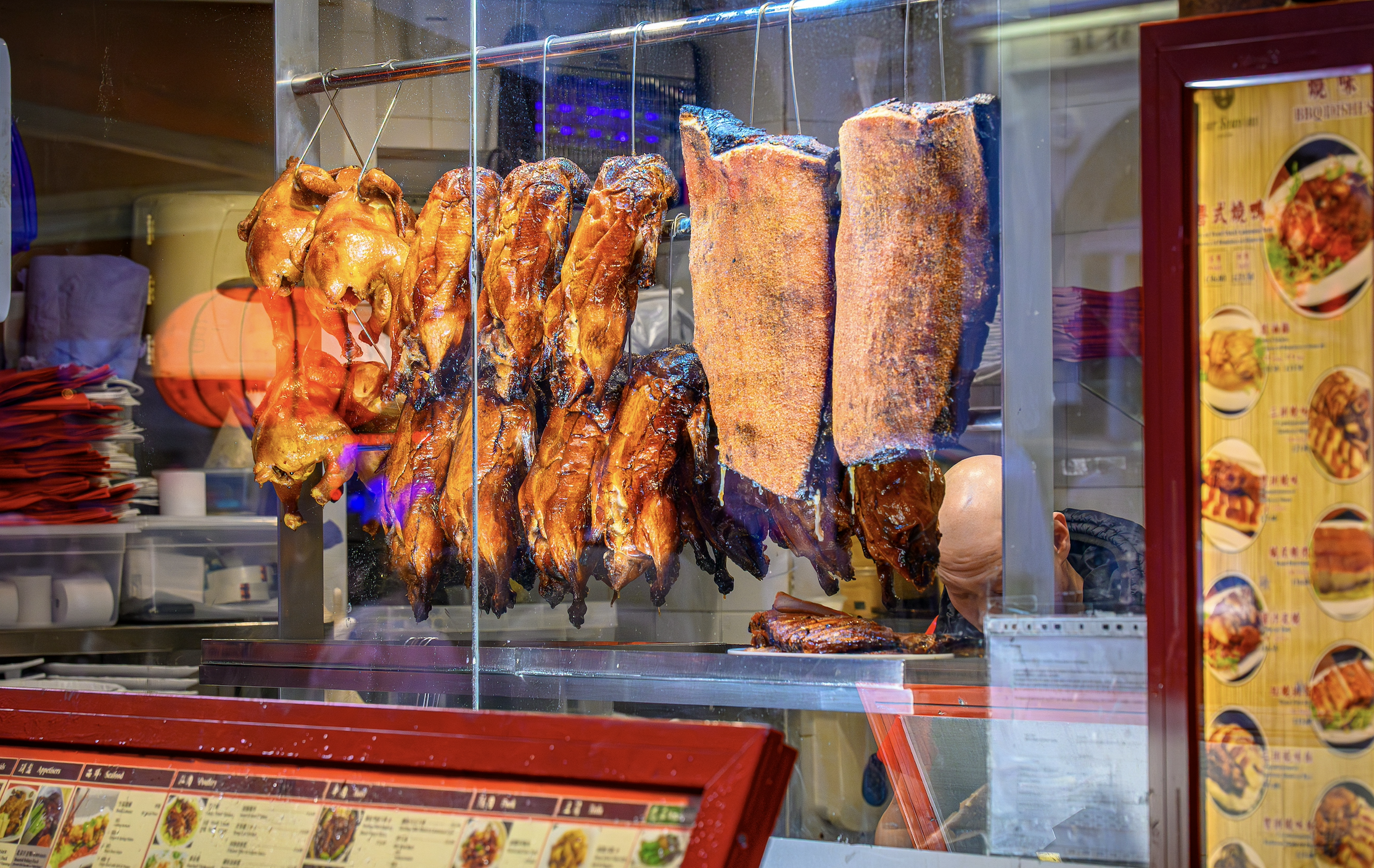
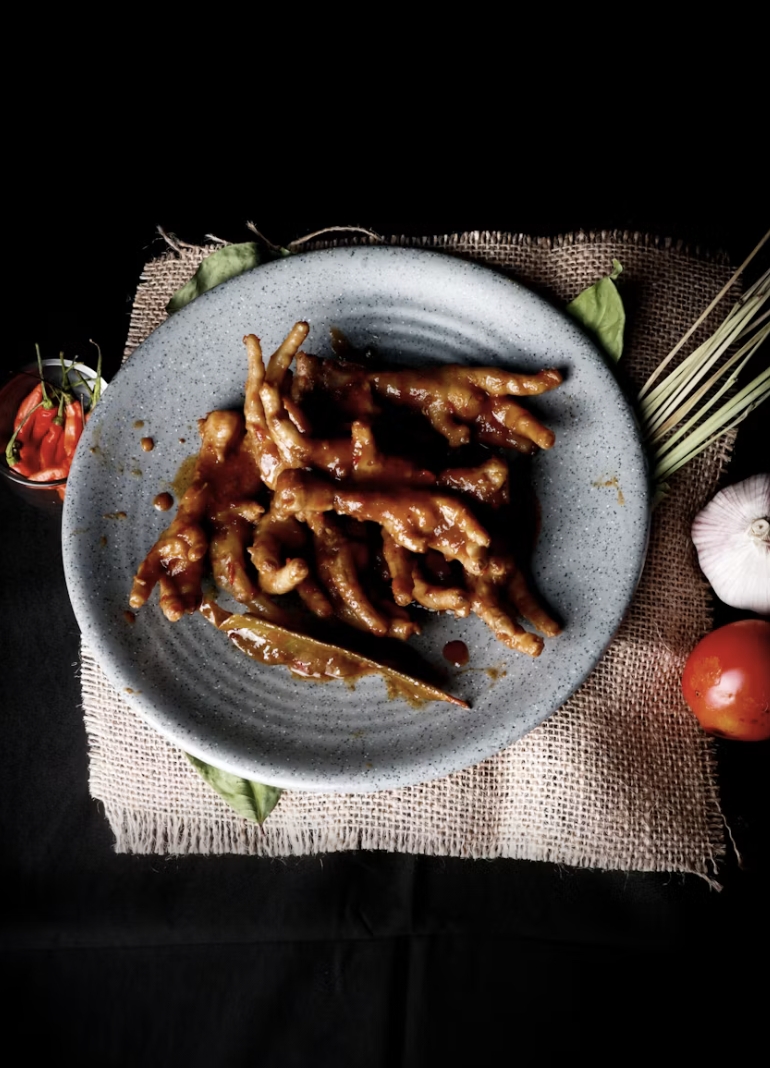
I've always thought of myself as someone who will eat pretty much anything. When I lived in China, I ate things that were completely unfamiliar to me: chicken feet, duck heads, jellyfish and so on. Put something on my plate and, generally, I'll try it. But I have my lines too.
I drew one at balut, a fertilised developing duck egg eaten in the Philippines and elsewhere in Southeast Asia. I understand that it has its own history and cultural significance, and I have no judgement towards people who eat it. I just couldn't bring myself to. That interests me more than whether I would actually like the taste. Somewhere inside my own adventurous relationship with food, I have a boundary too.
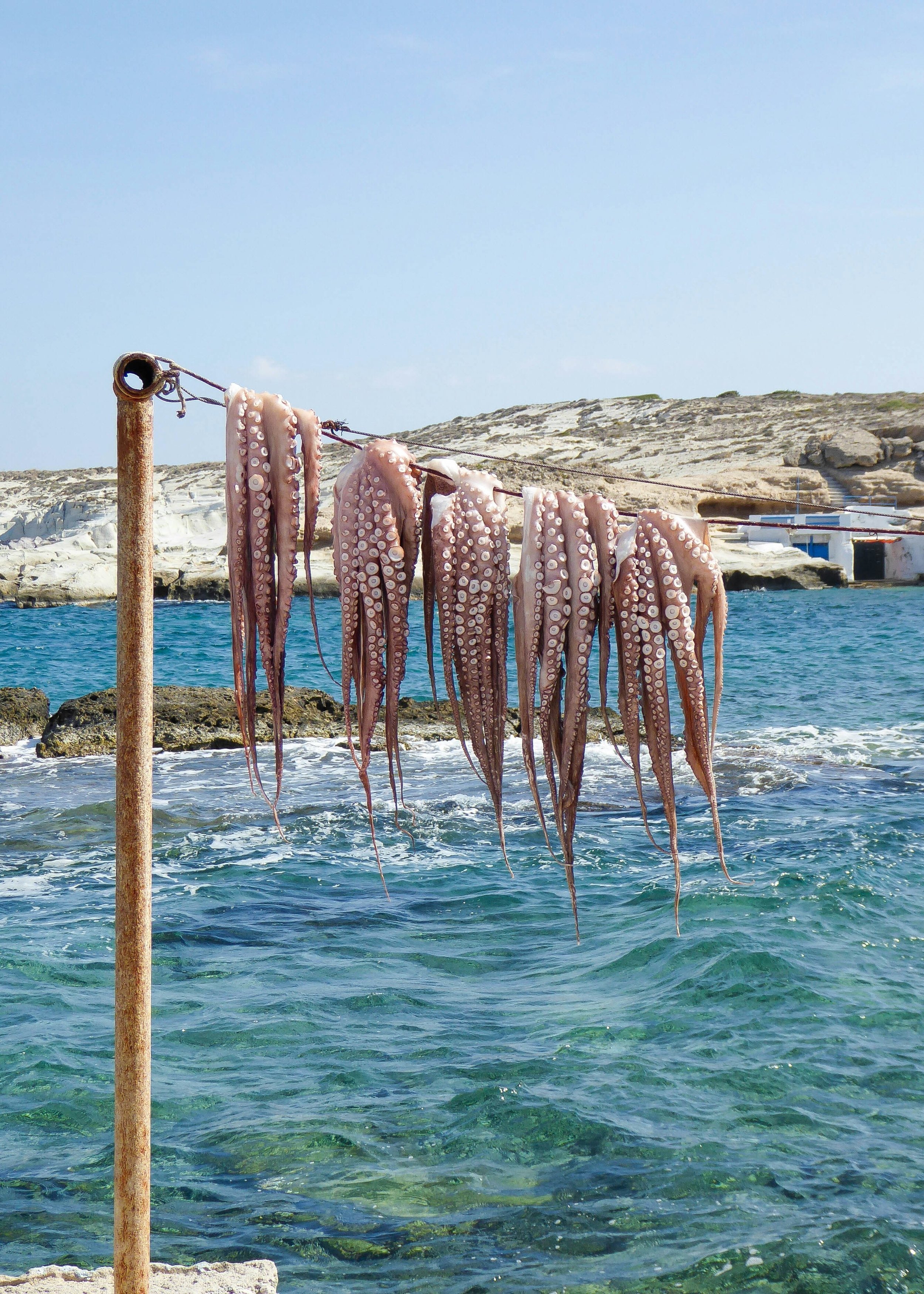
And those boundaries can move. Until this year, I ate octopus without thinking much about it. Then I saw one too many videos about their intelligence, problem-solving and soulful nature. Nothing dramatic happened. Nobody told me I shouldn't eat them. I just reached a point where I fundamentally didn't want to anymore.
But the octopus hadn't changed. My relationship with it had.
Perhaps that's the important part. Our ideas about which animals are food aren't only inherited from culture. They can be renegotiated as our relationship with an animal shifts.
What counts as food?
Being open to the idea that any animal can be food doesn't mean every food tradition should be accepted without question. Culture isn't a free pass from ethics, particularly when animal welfare is involved. My own decision about octopus proves, at least to me, that our relationship with what we eat can and perhaps should change as we learn more.
But understanding should probably come before judgement. It's very easy to encounter somebody else's food culture and ask, How could anyone eat that? The more interesting question might be, Why do I eat what I eat?
Why is one animal a friend and another dinner? Why can one be both? Why was I happy to eat an octopus for years and then, almost overnight, wasn't? And why do all these distinctions feel completely natural to us when, somewhere else in the world, they may make very little sense?
Perhaps the most revealing thing about what we refuse to eat isn't the animal at all. It's what that animal tells us about ourselves: which creatures we choose to love, which we are comfortable calling food, and how differently we value the lives in between. We like to think those distinctions are obvious, instinctive, even absolute. But look beyond our own plates and they quickly become less certain. And, as I've discovered with the octopus, even our own lines can move. The moral line is there, we just don't all draw it in the same place, and we may not draw it in the same place forever.